

























































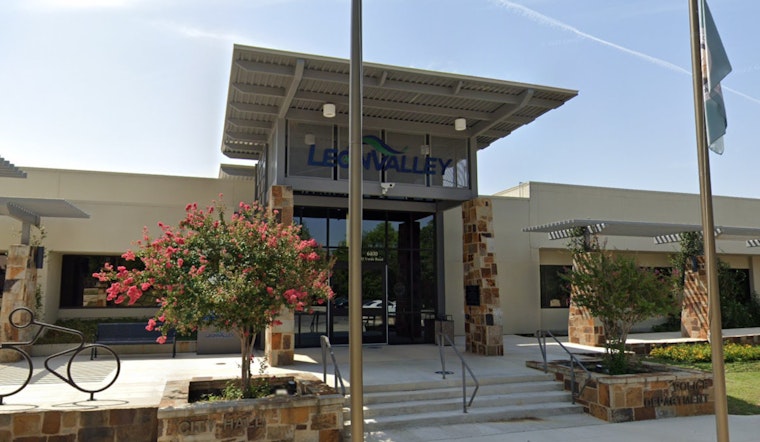
The Leon Valley Planning & Zoning Commission convened earlier today, with a loaded agenda that discussed everything from electing new leadership to rezoning proposals that could shape the city's development landscape. As per the posted agenda, the commission initiated the proceedings with the roll call and promptly moved to approve the minutes from the May 28, regular meeting—a foundational practice for municipal governance that ensures accurate recording of decisions and actions taken by the commission.
Significant on the day's agenda was the election of a new Chair, Vice-Chair, and Second Vice-Chair, as mandated by the Leon Valley Code of Ordinances, a process overseen by the city's Economic Development Director, R. Salinas. Nomination and election of these positions may appear procedural, but the leadership selected invariably influences the direction of planning and development within the city. Additionally, the commission deliberated on a request for a Specific Use Permit for construction of a "Church and Learning Center" located on Wurzbach Road, a development proposition commanding interest due to its potential social impact, and physical imprint on the locale.
In a bid to guide Leon Valley's advancement, the body discussed a potential zone change from B-3 Commercial with the Sustainability Overlay District to B-3 Commercial Zoning District for a tract on Grissom Road. This item, along with the consideration of altering the zoning on Ecckert Road from R-1 (Single Family Dwelling) District with Sustainability Overlay to B-2 (Commercial) Zoning District, reflects an evolving approach to urban planning that balances commercial prospects with environmental considerations. Such rezoning considerations are fundamental in dictating the trajectory of urban landscapes—and hence, were poised as points of public hearing and discussion.
An extensive presentation also sought preliminary feedback on rezoning approximately 32 acres of land from single-family and residential estate district to a Planned Development District with a R-6 (Garden Home) District base zoning. The proposal included detailed materials such as site surveys, master plans, including a fire plan, a tree inventory and mitigation plan, and multiple traffic impact analyses, illustrating the comprehensive planning that goes into redefining land use. These documents, elaborated on by Public Works Director M. Moritz, encapsulate the city's foresight in accommodating growth while striving to minimize the consequent strain on infrastructure and environment.
The City of Leon Valley's planning apparatus did not stop at zoning. The agenda also included a discussion and possible recommendation to amend the city's zoning code, particularly around "PDD" Planned Development Districts, which are special zones that allow for customized planning to meet unique developmental needs and objectives. The commission's decision on these changes would ultimately set the stage for future developers and city planners alike. Wrapping up, the commission handled announcements and perfunctorily adjourned with a standing option to enter executive session as needed, in adherence to the Texas Government Code—cementing the importance of compliance and due process even as they navigate the complex facet of city planning.
For residents and stakeholders, the outcomes from this meeting not only mark shifts in policy but also signal the shape of community life to come. Details of the June 25 meeting can be accessed on the City of Leon Valley's official website, where concerned parties can download the discussed documents, whetting their understanding of the city’s impending structural transformations.





