In a move to tackle the present homeownership disparity in Boston, Mayor Michelle Wu has moved forward with the second leg of the "Welcome Home, Boston" initiative. According to a city statement, phase two will see the development of roughly 70 homeownership opportunities on 15 City-owned parcels in Dorchester and Mattapan. This comes on the heels of the first phase where 72 opportunities were created on 12 parcels in the same neighborhoods.
The land, which has been under city control for over 34 years on average, is being released as a step towards utilizing long-underused public resources. Gel, Boston is a city where the discrepancy in homeownership is stark; with a citywide rate of 35%, there's a significant gap when broken down by race and ethnicity—44% of white households are homeowners, with much lower percentages in Black or African American, Asian or Pacific Islander, and Hispanic/Latinx communities.
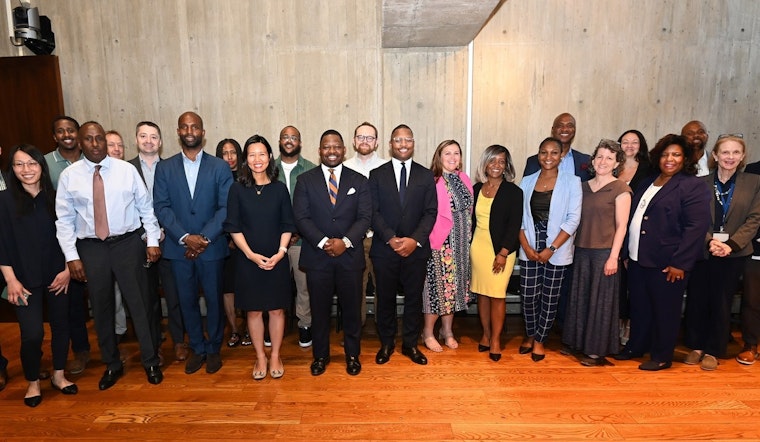
The Mayor's Office of Housing has handpicked six diverse development teams, including Ambry Development and KZ Builders LLC, among others, carrying certifications such as Minority Business Enterprises (MBE) and Women Business Enterprises (WBE). These teams represent a step toward not just diversity in development, but also in providing inroads to homeownership for traditionally marginalized communities. F. Marie Morisset, Managing Partner at VIBE, one of the selected development teams, articulated their gratitude in "being designated as one of the development teams for the Welcome Home, Boston Phase II initiative."
Moreover, the initiative is not only about increasing a homeownership but is also about building sustainable and environmentally responsible housing. The new developments will be fully electric, cater to families with incomes below 80% and 100% of the Area Median Income (AMI), and achieve rigorous green building standards. With this initiative, Boston is marrying its long-term environmental commitments with the pressing need to provide stable, affordable homes to it’s residents.
The recent decision by the Public Facilities Commission to tentatively designate these development teams sets into motion a collaboration period to finalize project details, including design and finances. Once this phase is completed, construction on the new developments is anticipated to start, marking a significant step toward closing the homeownership gap in Boston. The overall plan is a piece of Mayor Wu's larger strategy to build homes that are within economic reach for all Bostonians, especially those with lower incomes.