

























































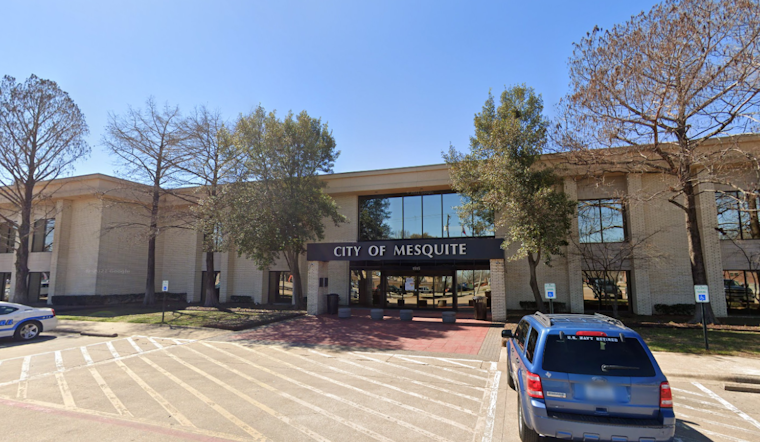
The City of Mesquite is charting a course for new infrastructure and technology projects, and it's setting the stage for a financial plan that involves issuing debt in the form of "certificates of obligation." According to the official notice released by the City of Mesquite, Texas, the Mesquite City Council will be convening on August 19, to consider authorizing the issuance of up to $37,350,000 in certificates. These funds are earmarked for a significant series of projects that span from information technology upgrades to the improvement and expansion of the city's transportation network.
The costs, covered by these certificates, will include a broad range of necessities such as design and construction for city buildings, street repairs and expansions, storm drainage improvements, and public safety facility renovations. It will also finance the acquisition of crucial equipment for police, fire, and other municipal departments. However, it should be noted that the funding will rely, in part, on a direct and continuing ad valorem tax against all taxable property within the City sufficient to pay the interest on this series of Certificates as due.
To address the fiscal impact, the City Secretary's announcement clarifies that the combined principal and interest required for the complete repayment of the planned certificates is estimated at $56,191,050, based on 4.500% interest. Constituents need to understand that these figures are subject to the fluctuating nature of the market, thereby potentially altering the final tab based on rate changes at the time of issuance. Moreover, the current outstanding tax-supported debt obligations of the city stand at $237,115,000 with a total repayment of $319,418,278 factoring in both principal and interest.
The precise rates and terms for these certificates will be set by the City Council at the time of issuance, aligning with the legal limits and market conditions. This move towards revamping Mesquite’s infrastructure and city resources showcases a deliberate stride towards modernization and betterment of community services. Yet, the lens of fiscal responsibility and the economic burden on taxpayers will no doubt remain critical discussion points as the City Council meeting approaches.



