

























































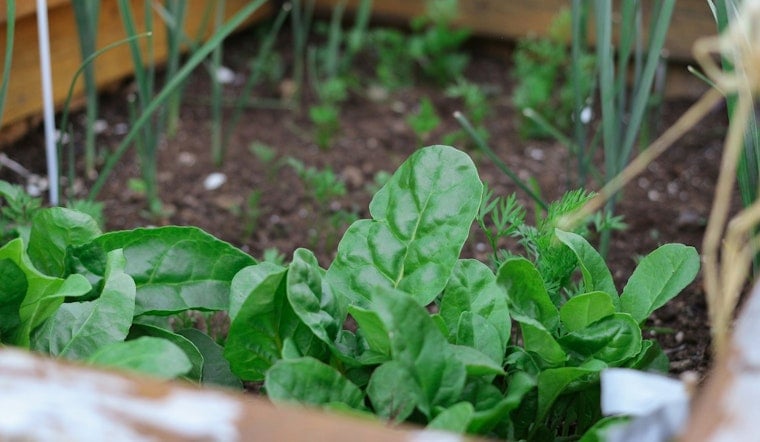
Minneapolis is pushing forward with an initiative to create a greener, more resilient food system, allocating over $315,000 in funding to 16 unique community projects dedicated to urban agriculture and wasted food prevention, a move that echoes the city's broader aim to slash climate pollution by 2030. Mayor Jacob Frey emphasized the collaborative nature of the Climate Legacy Initiative, stating, "Tackling climate change demands a united front," adding that the initiative contributes to building a more sustainable Minneapolis, according to the city's announcement.
The financial boost will enable a wide spectrum of organizations to grow food sustainably, extend the growing season with energy-efficient methods, and work towards a dramatic reduction in food waste through distribution and composting efforts; these projects not only take aim at climate change but also strive to ameliorate food insecurity and advance health equity. Alison Babb, Minneapolis Health Department Homegrown manager, highlighted in a statement released by the City of Minneapolis that these new projects are set to increase sustainable growing practices and prevent food waste across the city.
Funds are disseminated across a diverse set of initiatives that touch various corners of the city; from Appetite for Change's urban gardens and education in North Minneapolis, to Central Area Neighborhood Development Organization's sustainable growing workshops, and Church of the Incarnation's bilingual outreach to rescue food from local businesses, the money is directed towards nourishing the community's future. East Side Neighborhood Services, for example, is using its slice of the funding to enhance garden initiatives that are designed to surge access to fresh produce for its food shelf participants and foster wider community involvement.
Other notable recipients include The Grapevine Collective, which focuses on creating handicapped accessible raised garden beds at the New City Center, and Hope Community Inc., which invests in education about food waste prevention alongside urban agriculture space restoration. "The Grapevine Collective is grateful for the support to build handicap-accessible garden beds at the New City Center for Healing Justice. We look forward to sharing gardening opportunities and fresh organic produce with the community," says a representative of the collective in a statement featured on the City's website. Open Arms of Minnesota, through the Open Farms initiative, plans to expand its community garden program which notably supplies a core meal program and a new Cultural Meals Program for various client cultural groups, ensuring that everyone can share in the fruits of local harvests.
The Climate Legacy Initiative, revealed by Mayor Frey in July 2023, is not just an economic stimulus for green projects; it's a pivotal part of the city's Climate Equity Plan which targets a significant reduction in climate pollution by 2030 and a carbon-neutral status by 2050, the plan also involves weatherizing homes, lowering utility bills, fostering green job training, and increasing urban tree canopy. This holistic approach to environmental stewardness and social justice is painting Minneapolis green, one community-led project at a time; detailed descriptions of each initiative can be found on the City's website.





