

























































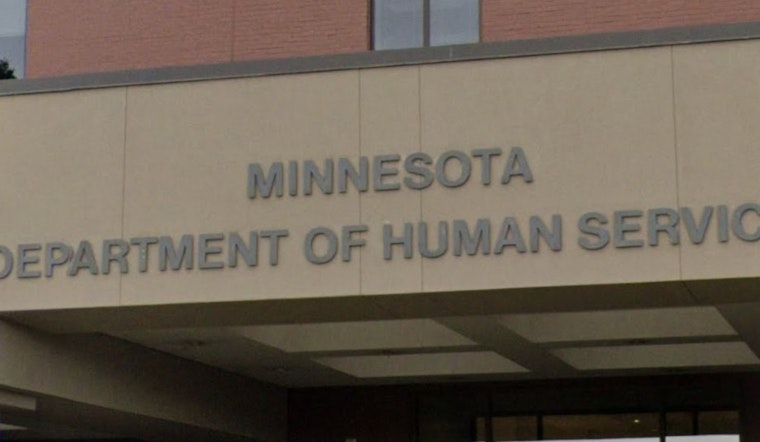
In a nod to humanity within the bureaucratic machinery, The Minnesota Department of Human Services (DHS) has issued a policy update that might be considered a beacon of lenience for those entangled in it. Starting from June 11, 2024, individuals who find themselves incarcerated won't need to worry about their Aging and Adult Services Division (AASD) or Disability Services Division (DSD) support vanishing overnight. The DHS policy now allows waivers and Alternative Care (AC) programs to stay open for 30 days during temporary incarceration, according to the latest bulletin released by the divisions.
This change in policy extends a critical lifeline, acknowledging that the barriers faced upon release can be insurmountable without some assurances of stability. Furthering the ripple effect of positive reform, lead agencies, and service providers received an update on the MnCHOICES revision project. It came with a clarification on how to navigate assessment results and Consumer Directed Community Support (CDCS) budgets, potentially clearing some of the fog that can hinder service efficacy.
Moreover, DHS is now accepting applications for the Employment First Capacity-Building Grant Program. This program aims to propel counties, county coalitions, and tribal nations toward enhancing competitive, integrated employment for those using home and community-based service waivers. The application window remains open until July 12, 2024, offering a runway for applicants to marshal resources and build their cases for support.
Education remains a cornerstone of improving service provision, prompting the announcement of several training webinars. Day Program Providers are encouraged to mark their calendars for July 9, for a demonstration on the Disability Waiver Rate System (DWRS) Cost Reporting. Meanwhile, stakeholders involved in the care of children with complex needs are invited to attend webinars on July 10 and 16, dedicated to intervention services and caseload alignment - a move toward better-coordinated care strategies. An announcement made earlier had slated an Electronic Visit Verification (EVV) Quarterly Updates session for June 24, which was canceled due to the lack of new developments. The EVV team now directs interested parties to the rescheduled dates of September 23 and December 16, later this year.
Last but not least, DHS is seeking public comments on the Reform 2020 waiver extension request, as of June 6. Come July 1, Phase 4 of the MnCHOICES revision will roll out, as per a joint AASD/DSD message issued on June 7. These developments underscore a relentless drive to refine the quality and accessibility of services provided, ensuring they evolve in tandem with the needs of the community they are meant to serve.





