

























































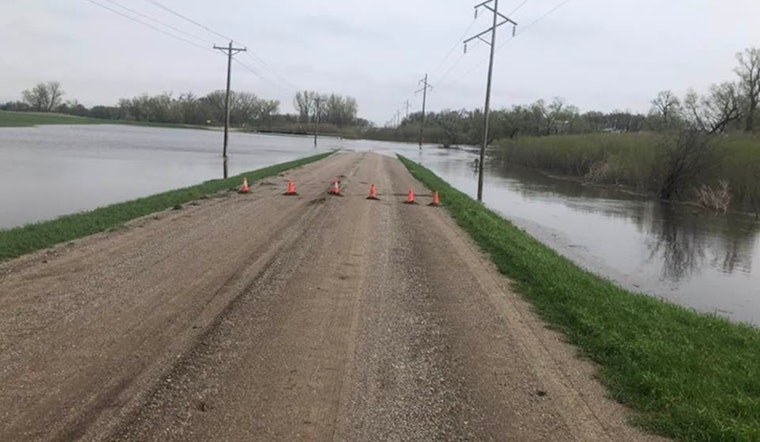
As Minnesota braces for a torrent of rainfall and potential flooding, the National Weather Service Twin Cities has sounded an alarm concerning the swelling of rivers and the imminent threat of flash floods, as reported by the Division of Homeland Security and Emergency Management (HSEM). Projections estimate that rainfall could accumulate anywhere from 3 to 6 inches, with the possibility of isolated areas witnessing up to 10 inches—figures that flag this as a potential once-in-a-decade flood event that's likely to cause rivers to spill and small streams to overflow throughout the week.
The situation remains dynamic, and HSEM is staying ahead of the curve, gearing up for what might unfold into a pronounced calamity, however, folks at home are urged to stay alert, make preparations to evacuate if necessary, and relocate to higher ground at a moment's notice. The advent of such a storm unduly amplifies the risk of flooding in low-lying locales; those like valleys, canyons, and dips, particularly under the veil of the night when flood hazards are not as easily discernible, indeed most flash-flood casualties transpire after dusk when the depth of water is hard to measure and the currents are invisible but no less relentless.
Civic mindfulness during these times is crucial—residents should fix their ears to radio transmissions, and eyes on televisions and digital platforms for the latest updates from proper authorities. Understanding the gravity of the situation is paramount; a "flash flood watch" serves as a cautionary flag that conditions might turn awry, a "flash flood warning," on the other hand, signals that flooding is imminent or already wreaking havoc.
To navigate the storm's fury, it is imperative to eschew floodwater, the deceptive calm of its surface belying the peril that lurks within—a mélange of hazardous debris, and potentially an electrified trap if it makes its way into residencies and engulfs outlets and apparatus. Should you encounter a waterlogged path, adhere to the maxim, “Turn Around, Don't Drown!”; attempting to traverse such terrain, whether on foot or by vehicle, is a grievous error as even a modest depth of six inches can sweep you off your feet, and vehicles can quickly become submerged, the terrain underneath potentially eroded and treacherous, should the motor die amidst the deluge the only recourse is to abandon it, and immediately seek higher, secure land.





