

























































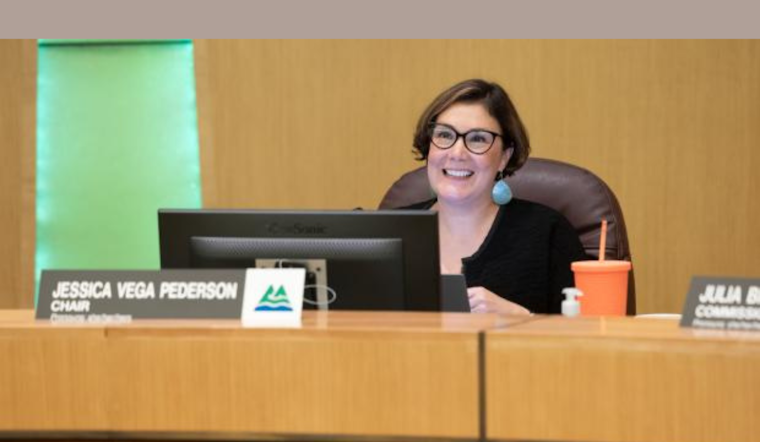
On June 6, the Multnomah County Board of Commissioners locked in a heftier $3.96 billion budget for the 2025 fiscal year, with ambitions to bolster community services and infrastructure. After an exhaustive process inclusive of public work sessions, hearings, and an online survey gathering over a thousand community voices, the budget prioritizes homelessness and behavioral health services, law enforcement, and preschool education, marking a step towards a more equitable environment for residents of all ages—one that Chair Jessica Vega Pederson enthusiastically envisions as a community where, "our neighbors are housed, where people both in and out of crisis have access to the services and support that they need to be healthy and thrive", as detailed in a recent news release published by Multnomah County.
Facing a challenging fiscal landscape marked by the cessation of federal COVID-19 funds and slashes in state and city funding, the Board navigated through 57 amendments proposed to the Chair's initial budget, ultimately approving 38, as reported by Multnomah County, and these amendments include substantial financial commitments like Commissioner Sharon Meieran's restoration of STI Clinic services and Commissioner Jesse Beason's Project Reset, which aims to reduce barriers to employment and housing for county residents, despite the broader financial constraints that have squeezed the county's purse strings tighter than in years past.
Homelessness initiatives saw a significant increase in this budget, with a 24% bump in homeless services funding to a total of $285 million, this includes a substantial $127 million support for the county's Homelessness Response Action Plan, a decisive step to combat the growing crisis of homelessness in unison with the City of Portland, encouraging collaboration among local and state government, service providers, and healthcare organizations.
Efforts to enhance behavioral health services also took a spotlight, receiving an infusion of a $32.5 million package aimed at deflecting drug-related crises and fostering recovery, particularly with the alarming rise in fentanyl use, a compelling point of focus necessitated by the simmering substance crisis gripping the community and it is this particular investment that reflects the profound and personal stakes at play within the community's fight against addiction and mental health struggles.
According to Multnomah County, the lone dissent on the budget vote came from Commissioner Meieran who expressed her disappointment candidly, lamenting, "This budget represents the failure of the County as a government, not the failure of the people the County employs." Meanwhile her fellow Board members, like Commissioner Beason, expressed hope and enthusiasm for the new budget, underscoring the potential for substantive, positive changes in the upcoming year.
Finally, in further addressing community safety and preparedness, this robust budget fully funds the parole, probation, and sheriff's office operations and allocates $1.4 million to the Elections Division to prime staff and voters for the complexities of ranked-choice voting and upcoming legislative reforms—a clear gesture towards strengthening the pillars of democracy that underpin the Multnomah community, a sentiment Chair Vega Pederson echoed as she concluded the board meeting with a note of resolve and dedication to the community vision laid out in the fiscal blueprint.





