

























































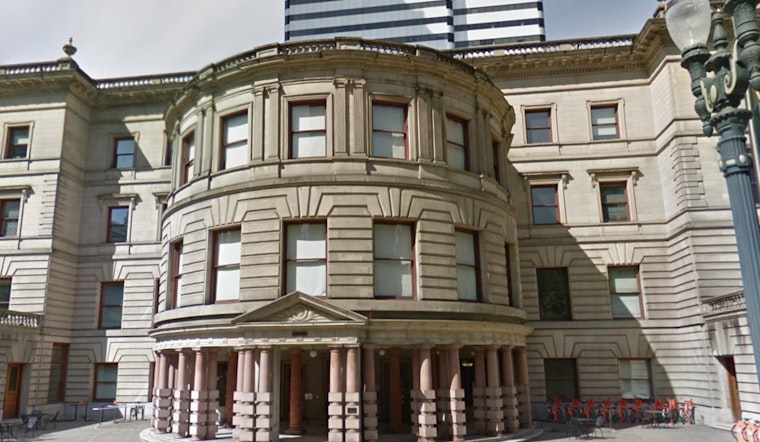
With the historic November election on the horizon, Portland candidates have started filing for a shot at the city's new government form. Voters ushered in this transformative chapter last year, approving a governmental restructure that now sees an expanded city council with 12 seats alongside the mayor's office and the city auditor. In a change reflective of a city known for its progressive stances, this election also introduces a pioneering ranked-choice voting method.
Wednesday marked the opening for official candidate filings, witnessed by a cascade of hopefuls eager to fill the increased council positions. This surge of political ambition, attributed to the city's innate proclivity for engagement, signifies a shift in the public's participation in local governance. The curiosity and eagerness of these potential council members, some running for a seat in the new district-based council, could reshape the city's political landscape. According to OPB, candidate filings were brisk enough to keep staffers actively circulating within city hall to maintain vigilance.
Voting in Portland will preserve its mail-in approach, but the introduction of ranked-choice pushes boundaries in how these mailed ballots convert to elected officials. In races for the mayor and auditor, 50 percent plus one vote decides the winner. Yet, if no one hits this mark, the elimination of the last-place candidate follows, redistributing their votes based on secondary preferences, as detailed by Grace Ramsey, a ranked-choice voting specialist with Democracy Rising, and reported by KATU. This iterative process persists until a victor emerges.
The city council elections will adopt a proportional ranked-choice system, recognizing the need for diversity in representation. By breaking the city into four districts, with three seats each, a candidate needs to muster 25 percent plus one vote to claim victory. This scenario could result in surplus votes spreading to next choices, and underperforming candidates being eliminated, ensuring voter intent is not lost in the binary win-lose landscape that has long defined American elections. Tim Scott, Multnomah County Elections director, ensured voters that, while results might lag in arrival, a well-thought-out process is in place to manage the count.
Education on the changes is paramount, as the city and county will mount campaigns informing voters on how to navigate the updated ballots. An important note from county elections authorities highlights that all ballots must be received before the final vote count can occur. For Portlanders, the desire to express preferences in a nuanced and equitable fashion will test this new electoral mechanism. As the deadline to file looms on August 27, the enthusiasm observed by county staff could be a harbinger of robust political engagement come Election Day.




