

























































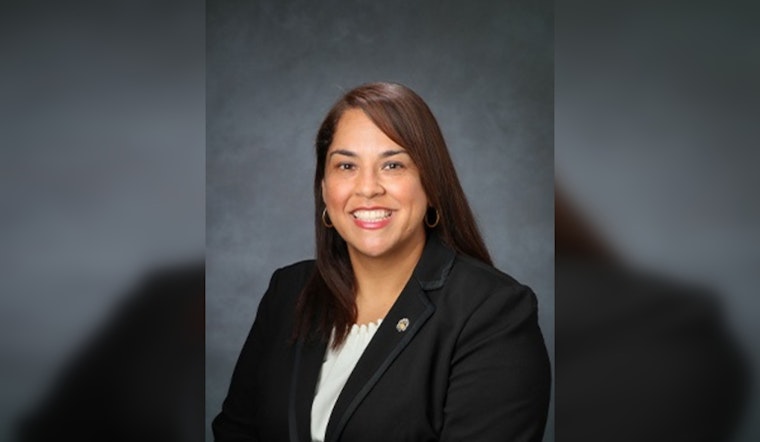
In a surprising twist to the ongoing debate around the future of San Antonio's horse-drawn carriages, Councilwoman Phyllis Viagran, who was initially at the forefront of a proposal to ban the historic practice, has shifted her stance and expressed openness to allowing the carriages to continue operating downtown. This pivot comes after Viagran's engagement with carriage operators and an exploration of their facilities, leading to a larger conversation on how the city might adapt the industry in its existing space while attending to the businesses and creatures involved.
The San Antonio City Council had seen a push, initiated by Viagran and Councilman Jalen McKee-Rodriguez in November 2022, to end horse-drawn carriage rides amid concerns over the welfare of the horses and the growing pressures of urban issues like construction and climate-related heat, however, after deeper considerations and interactions with the people at the heart of this service, Viagran's perspective has taken somewhat of an unexpected detour. The councilwoman advocated for a cooperative approach to finding solutions that may incorporate retraining employees or adjusting operations to better fit into the evolving fabric of downtown life, “As a longstanding advocate for small, minority-owned businesses, I want to work with the five companies that employ over 115 workers, collectively, to ensure they have as many options as possible,” Viagran said in a written statement read at the council's Transportation and Infrastructure Committee meeting according to a San Antonio Report.
Despite Viagran's revised position, Councilman McKee-Rodriguez remains staunch in his support for a ban, believing that both council members and public sentiment are still primarily in favor of putting an end to the tradition. Meanwhile, Mayor Ron Nirenberg has endorsed the ban, with Councilwoman Melissa Cabello Havrda, chair of the Public Safety Committee and potential mayoral candidate for 2025 expressing her agreement, "Some people think that it’s time that we left that practice behind, and I’ll tell you that I agree with them," she told San Antonio Report.
The Transportation Advisory Board's unanimous recommendation to consider keeping the carriages has added a further dimension to the deliberations, highlighting the complexity inherent in policy that touches upon history cultural practice, and a living industry in its totality, a recent city committee meeting sought input on potential ordinance revisions that could transfer carriage routes to parks rather than streets, signaling a search for compromise within the confines of urban change. Carriage operators, hoping to preserve their footing downtown, suggested adjustments like shifting weekday service to later in the day, though the question remains of how such a tradition aligns or conflicts with the dynamic culture of contemporary San Antonio, a sentiment echoed by McKee-Rodriguez, “The question that we have to answer is, at a certain point: … When does the existence of horse-drawn carriages operating downtown clash with the changing culture in San Antonio?" he said during the conversation captured by San Antonio Report.
While the city's council deliberates on the future of this contentious issue, the carriage companies continue to deal with significant operational costs and logistical challenges, as one representative expressed at a council meeting, her company pours approximately $150,000 annually into purchasing grain for the horses, and such businesses would require a reasonable transition period if their primary revenue source were to be disrupted.





