

























































In San Antonio, a proposed drainage project designed to mitigate the risks of flooding is stirring upheaval among residents, with over a hundred households potentially facing displacement. Cynthia Vallejo, a long-time resident of the area, expressed her dismay to the San Antonio Report, saying, "My mama passed away four years ago, she asked that I never sell this house, to make sure that this was our forever home." The Concepción Creek drainage project, which could cause the relocation of up to 158 households, represents San Antonio's largest use of eminent domain in decades.
The project, aimed at reducing the flood risk for thousands of properties, is responding to increased dangers of a 100-year flood event in the growing floodplain area. With the final floodplain map to be completed in spring 2027, the proposition has introduced a complex issue, blending the urgency of protecting residents with the preservation of affordable housing. "This is a tough conversation to have," Councilwoman Teri Castillo told the San Antonio Report, articulating the conflict of interests at its core. The city asserts a need for action, while some residents, like Vallejo, would prefer to rely on flood insurance over displacement.
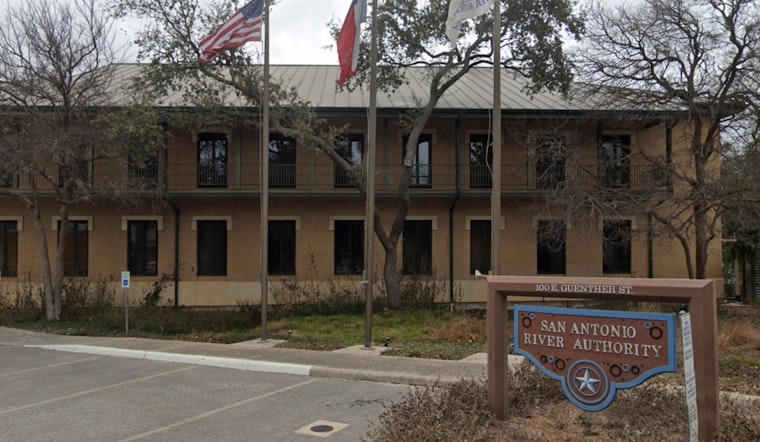
Contrasting the potential strife on the Southwest Side is the successful example of the San Antonio River Tunnel, completed in the '90s. As per the San Antonio River Authority, this structure has provided effective flood control via a massive underground channel. The tunnel stretches approximately 16,200 feet, with a 24-foot diameter, and features a pump house to recirculate water, ensuring the river's flow during dry spells. These well-coordinated efforts by the U.S. Army Corps of Engineers and the San Antonio River Authority, costing around $27 million, showcase a successful balance between urban infrastructure and flood management.
Residents have voiced their preferences for alternative flood mitigation strategies that would not necessitate leaving their homes behind. Rudy Lopez, president of the Thompson Neighborhood Association, inquired, "Why this neighborhood? Why can't [they] find a place that has less homes?" His association is seeking assistance from professionals who could propose different solutions. Meanwhile, the Public Works Department officials have indicated their willingness to explore options, suggesting less extensive measures might be possible. "We are still looking at other alternatives, too," said Roberto Reyna, assistant director of Public Works, according to the San Antonio Report.
Regardless of the project outcome, the city has pledged to assist displaced residents in finding new, comparable homes. This commitment comes amid concerns over the growing housing costs throughout San Antonio. "I’m not saying it would be easy … but we are committed to finding them homes," Reyna told the San Antonio Report. However, for residents like Vallejo, who has deep roots and emotional attachment to her home, the distress echoes a sentiment that is not easily quelled by promises of new beginnings. "My home is priceless," she stated, underlining the affective bond that extends beyond the bricks and mortar.




