

























































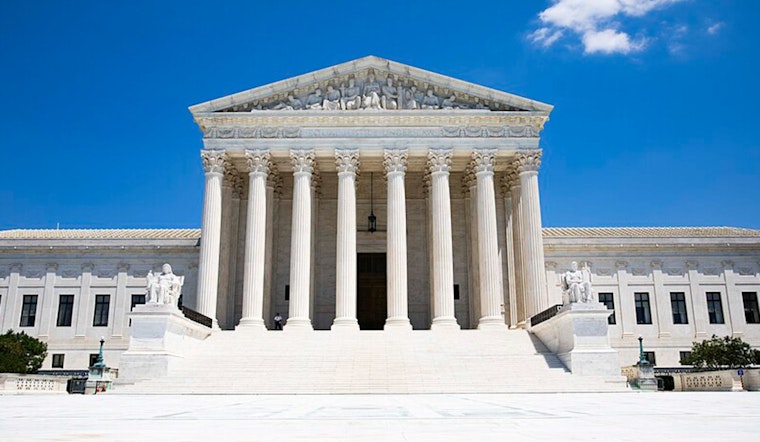
The legal landscape of social media is under scrutiny as the Supreme Court gears up to make key decisions concerning free speech and platform regulation. The court is expected to rule on a Texas law—HB 20—that prohibits large social media companies from curating content based on viewpoints, a case brought to light by industry groups NetChoice and CCIA. Governor Greg Abbott championed the law, claiming it would prevent unwarranted censorship of conservative voices on these platforms, triggered by major platforms suspending former President Trump's accounts in the wake of the Jan. 6 attack on the Capitol, according to KXAN. This case is pivotal as it sheds light on the challenging equilibrium between free speech rights and social media moderation.
As reported by AP News, the U.S. District Court originally sided with NetChoice, before the ruling was overturned by the 5th Circuit Court of Appeals in favor of Texas AG Ken Paxton. The conflicting decisions from these courts have led to the Supreme Court's agreement to hear the case, initiating a major dialogue on the rights of social media companies and their role in shaping public discourse. Meanwhile, in a parallel development that the political balance of free speech online is being weighed, the Supreme Court sided with the Biden administration in a dispute involving states like Louisiana and Missouri, claiming federal overreach into suppressing controversial social media posts.
Justice Amy Coney Barrett delivered the court's latest opinion, dismissing lower-court rulings that sided with the states, on the basis that they lacked the right, or legal standing, to sue. "We begin — and end — with standing," Barrett wrote, as per AP News. Justices Samuel Alito, Neil Gorsuch, and Clarence Thomas dissented, with Alito expressing that the plaintiffs had demonstrated enough to proceed with the lawsuit in defense of free speech against undue federal pressure.
Legal experts are attentive to the implications of these rulings, especially as they may set precedents for how the government and social media companies interact. The iteration of these cases portrays Republican concerns that platforms are censoring conservative content, a sentiment echoed by Louisiana Attorney General Liz Murrill who lamented the court's dismissal as a missed opportunity to address what she termed "the worst government coercion scheme in history," as stated by AP News. The decisions, yet, carry significant weight as they help define the boundaries of governmental influence and the autonomy of social media companies in managing their digital landscapes.





