

























































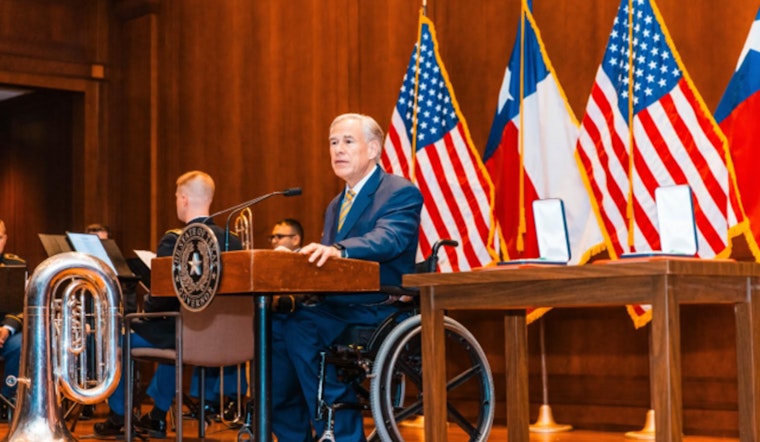
In what has become a heated battle over immigration policies, Texas Governor Greg Abbott continues his stand against what he describes as the Biden Administration's inadequate efforts to secure the U.S. southern border. According to a press release from the Governor's office, Operation Lone Star, a joint mission by the Texas Department of Public Safety and the Texas National Guard, reports over 513,100 apprehensions of illegal immigrants and over 43,700 criminal arrests. The numbers suggest a substantial amount of activity at the Texas-Mexico border attributed to the policy approaches of the current administration.
Among the assortment of arrests, and seizures, Texas authorities have confiscated over 488 million lethal doses of fentanyl, an amount that officials claim would have posed a significant threat to individuals across both the United States and Mexico. Governor Abbott also states that Texas has transported more than 117,300 migrants to various cities across the U.S. since April 2022 — actions that are part of the state's response to what the Governor has characterized as an "open border" stance by the federal government.
The confrontation has recently escalated following an executive order from President Biden that Abbott condemned. "Today's announcement is nothing but a smokescreen for President Biden's failed open border policies," Governor Abbott stated. He argues that the President's order, which some consider an attempt to legalize the status of millions of immigrants already in the country, actually enables and increases illegal border crossings. The Governor's remarks reflect a deeply rooted dissent to the federal immigration framework, especially ahead of election season.
Abbott's criticism comes as Texas, asserts a proactive yet controversial role in mitigating the perceived ramifications of the federal policy, or the lack thereof, every individual who is apprehended or arrested would have, according to the Governor, otherwise entered communities across Texas and the nation. Abbott's rhetoric points toward a broader discourse on the treatment of migrants versus the enforcement of immigration law, a debate that is likely to continue intensifying as policy differences remain stark between state and federal governments.




