

























































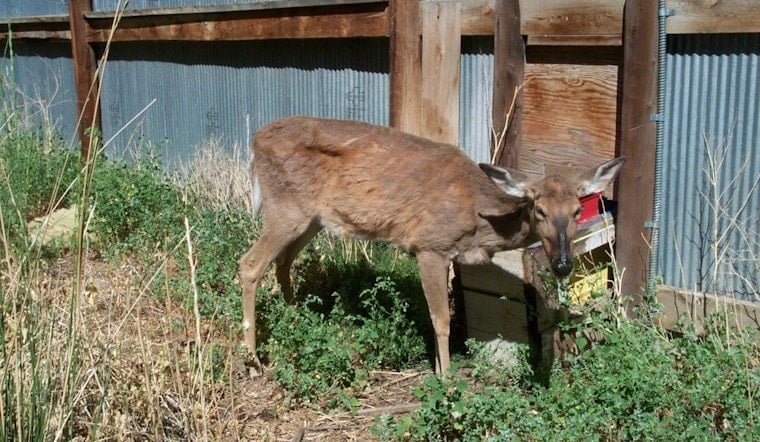
The Texas Parks and Wildlife Commission has cast their vote to reduce Chronic Wasting Disease (CWD) Containment and Surveillance Zones across several counties. In doing so, they've signaled a shift from mandatory measures to more voluntary approaches in combating this deer affliction.
Starting September 1, hunters in specified Texas counties will now be encouraged - but not required - to engage with voluntary testing for CWD, an infectious disease impacting deer populations. As reported by the Texas Parks and Wildlife Department (TPWD), mandatory check stations will cease to exist in several containment zones—areas where the disease has been detected—and surveillance zones—areas deemed at risk for CWD occurrence.
According to TPWD, updates will include revisions to zones such as CZ 1 through CZ 6, and SZ 1, 3, 4, 5, and 6. However, they still emphasize the importance of mandatory testing in SZ 2 due to the additional discoveries of CWD in free-range mule deer outside the CZ 2 area. This finding has also prompted the expansion of two containment zones found within the Panhandle.
The decision to roll back certain controls comes as TPWD also plans to entirely dissolve some surveillance zones, such as SZ 10 and SZ 11 in Uvalde County and SZ 12 in Limestone County. They further intend to narrowly define surveillance zones, to now only include specific portions of properties within a two-mile radius of a known CWD-positive deer breeding facility. This move strategically concentrates their focus on immediate high-risk areas rather than casting a wider net, potentially to streamline and make resources to be more effectively used.
Changes made by the Texas Parks and Wildlife Commission are detailed on the CWD webpage of the TPWD website, offering the public access to the revised zone information and implications for hunters and local communities concerned about the spread of this disease.





