

























































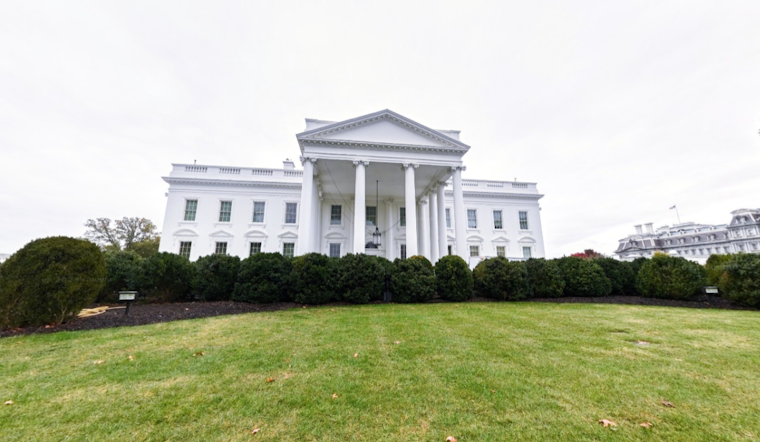
Continued efforts to bolster Small Island Developing States (SIDS) have been highlighted in a recent announcement from the White House, detailing the strategic partnership between the United States and various island nations facing the adverse impacts of climate change and global crises. As reported in a fact sheet released by The White House, these efforts aim to promote sustainable development and enhance climate resilience among SIDS which are located in key regions such as the Indo-Pacific, the Western Hemisphere, and Africa.
The U.S. has a vested interest in the security and prosperity of these islands, as evidenced by the recent increase in developmental presence and investments, including the opening of new embassies in the Solomon Islands, Tonga, and eventually Vanuatu later in the year. The Biden-Harris administration has worked with Congress to secure over $8 billion in new funding and programs for this cause. USAID has played a significant role by opening a regional Pacific Island Mission in Fiji and boosting its footprint in Papua New Guinea, bringing back over 60 Peace Corps Volunteers to the region and planning for more in the coming years. The U.S. has also committed to the implementation of the Compacts of Free Association agreements, with $7.1 billion appropriated by Congress in March 2024 to support services and development in the Federated States of Micronesia, the Republic of the Marshall Islands, and the Republic of Palau.
The recent SIDS4 conference, which the U.S. supported with a $300,000 contribution to host nation Antigua and Barbuda, saw Secretary of the Interior Deb Haaland lead a U.S. delegation. Following this event, several initiatives have been announced including MCC's development projects aiming at economic integration and growth in areas such as Cabo Verde, Belize, and Kiribati. A significant focus has been climate-themed entrepreneurship, with the Coalition for Climate Entrepreneurship planning to open a Caribbean Climate Hub in Kingston, Jamaica to aid local climate entrepreneurs.
Addressing the pervasive threat of climate change remains forefront, with the U.S. State Department collaborating with Congress to provide over $27 million for SIDS climate priorities. Efforts under the Biden-Harris Administration's PREPARE program divulged more than $16 million for the development of early warning systems in the Pacific and the support of Local2030 Islands Network, aimed at building local-level community resilience. The Pacific Resilience Facility is another major step forward, designed to empower Pacific communities by providing grants for climate adaptation and resilience initiatives.
Capacity building efforts have been bolstered by NOAA's $10 million investment in training meteorologists and development of early warning systems in the Caribbean and the Pacific, focusing on climate resilience. Furthermore, the U.S. has continued its support through the Caribbean Basin Security Initiative with over $912 million committed since 2010 to combat transnational crime and enhance security, contributing to the well-being of both Caribbean nations and the United States. The Department of the Interior remains committed to leadership development within these regions, exemplified by their plans to assist students from Pacific and Caribbean insular areas in gaining access to executive leadership educational opportunities.





