

























































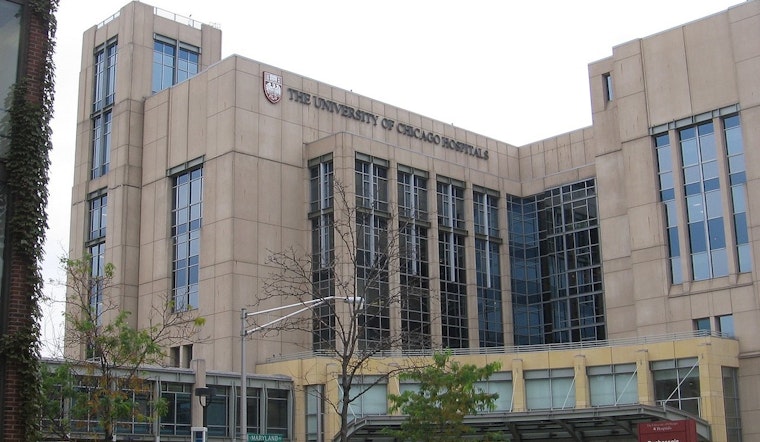
Following a trend of medical residents unionizing that's gained momentum since the onset of the pandemic, over a thousand residents and fellows at the University of Chicago Medical Center have overwhelmingly voted to unionize with the Committee of Interns and Residents (CIR), part of the Service Employees International Union (SEIU). This move, announced this week, marks a significant shift in the assertiveness of young physicians demanding better working conditions and a voice in patient care management.
The landslide victory at the University of Chicago Medical Center comes after residents and fellows, often referred to as "house staff" who are vital to day-to-day hospital operations, filed their petition for an election with the National Labor Relations Board just over a month ago, with about 98% of the voting body electing to join CIR; demonstrating not only the clear demand for change among the house staff but also reflecting a broader national push for better working terms for residents, as these physicians typically face long hours and carry high levels of student debt while providing crucial care often in understaffed environments.
According to a Hyde Park Herald interview with Dr. Aisha Amuda, a fourth-year internal medicine and pediatrics resident, "While we love our jobs and caring for our patients, we do not have an endless supply of stamina and capacity. We are human beings who must have our basic needs met", highlighting the sentiment fueling the drive towards unionization which is believed to be crucial for improvements to their working conditions that are inextricably tied to the quality of patient care delivery.
In response to the unionization effort, a spokesperson for the University of Chicago Medical Center stated the institution is prepared to begin collective bargaining "in order to craft a fair and equitable contract that supports the needs of our trainees, our patients and our institution", emphasizing the importance of residents and fellows as integral members of their clinical teams, who provide care that the community has come to depend on as they plan continue fostering an exceptional learning and patient care environment.
The University of Chicago's successful drive follows in the footsteps of other recent unionizations; the University of Illinois at Chicago's residents and fellows reached their first collective bargaining agreement with their hospital last January, and at Northwestern Medicine, around 1,300 house staff also voted to unionize with CIR three months prior, as reported by the Chicago Tribune.
This wave of unionization among medical residents in the Chicago area and across the country underscores a fundamental shift in the healthcare industry dynamics and labor relations, from growing demands for fair working conditions, parental leave, and a tangible input in hospital operations, to adapting to a landscape where an increasing number of physicians are no longer practice owners but employees of larger health systems. No longer isolated incidents, these movements are part of a sweeping response to systemic issues that have been magnified by the COVID-19 pandemic, marked by understaffing, burnout, and a call for a greater voice for those on the front lines of patient care.





