

























































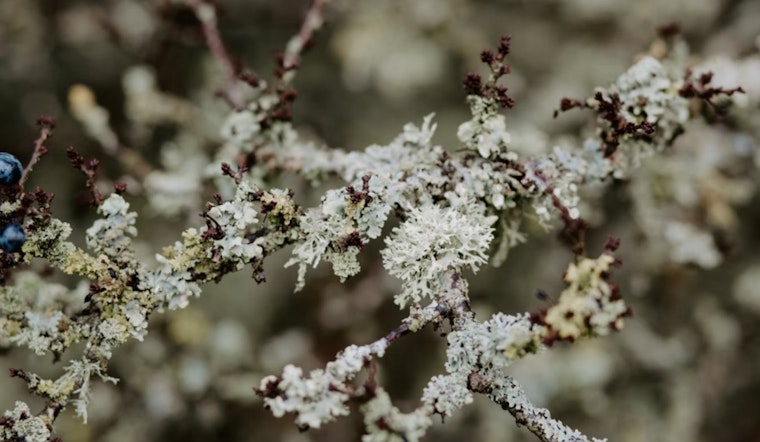
Researchers at the University of Minnesota are peering into the intricate and delicate relationships within the world of lichens, uncovering how impending climatic shifts may put these vital organisms at risk. Lichens, long mistaken for solitary beings, are in reality a complex assembly of fungi, algae, and other microorganisms, each one potentially reacting differently to environmental stressors, as reported by the University of Minnesota.
The study's emphasis is on boreal oak lichen, a type common to the Northwoods of Minnesota that plays a crucial role in the ecosystem by serving as a winter food source for animals and acting as an indicator of air quality, as per the University of Minnesota. The research team discovered that the partner organisms within lichen symbioses are not always harmonizing their responses to changing moisture levels, a circumstance that may lead one partner to quite literally attempt to go it alone, a response noted in other symbiotic relationships such as those found in corals.
Daniel Stanton, an assistant professor in the College of Biological Sciences, detailed one striking discovery regarding the fate of boreal oak lichen under conditions of heightened moisture. "At summer temperatures, wetting with anything more than water vapor leads to unsustainable carbon losses for boreal oak lichen, which may explain why it prefers humid environments like bogs," Stanton explained to University of Minnesota news.
Comparisons to simpler forms of symbiosis, such as the partnership between a clownfish and a sea anemone, reveal the complexities inherent in lichen relationships. Stanton further noted, "Unexpectedly, the alga just does its own thing: once active, it doesn't seem to respond at all to the major changes that the fungus undergoes when we add liquid water,” as stated by the University of Minnesota. This surprising level of independence within the symbiotic relationship indicates a higher level of complexity than previously considered.





