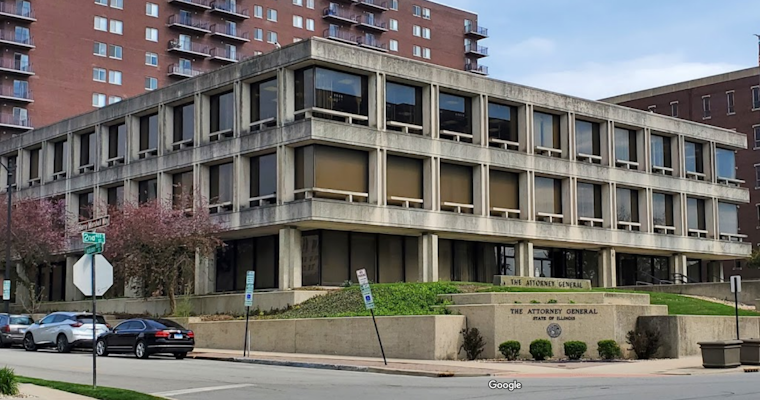
In a united front against untraceable firearms, Attorney General Kwame Raoul has joined a coalition of 24 attorneys general in urging the U.S. Supreme Court to uphold regulations on ghost guns. The appeal, outlined in an amicus brief filed in the case Garland v. VanDerStok, supports the federal rule that classifies ghost guns—weapons that can be assembled at home and are difficult to track—as firearms under the Gun Control Act of 1968. Raoul's stance is clear, "I urge the Supreme Court to reverse this decision and ensure these guns are not allowed on our streets and in our communities," as stated in a recent briefing detailed on the Illinois Attorney General's website.
This legal move comes as gun violence has surged nationally, with a 45% hike in gun-related homicides from 2019 to 2021. The challenge is compounded by a spike in the recovery of these ghost guns, which lack serial numbers, making them virtually invisible to law enforcement efforts. The Bureau of Alcohol, Tobacco, Firearms and Explosives (ATF) responded by issuing a final rule in 2023. It designates the core components of ghost guns, such as kits and partial frames or receivers, as firearms under federal law, thereby extending the need for serial numbers and background checks to these products.
Raoul and his peers contend that striking down this rule would have dire consequences on public safety and significantly impair law enforcement's ability to function effectively. The coalition's argument reinforces that the ghost gun rule aligns with the text, historical context, and intent of the Gun Control Act, contrary to the lower court’s decision. Raoul's prior conceptions include a far-reaching effort to mitigate gun violence statewide and beyond. The Illinois Attorney General's Office has taken various initiatives, such as creating the Crime Gun Connect tracing database and promoting awareness to counteract unlawful gun possession and use.
The coalition asserts early evidence of improved public safety with a decrease in the recovery of ghost guns following the rule’s enactment. The group includes attorneys general from states with wide-ranging political spectra, spanning from Arizona to Wisconsin. Within Illinois, the Attorney General's office has fortified its assault against gun trafficking and collaborated with the U.S. Secret Service National Threat Assessment Center to avert targeted violence through community and law enforcement training. Moreover, Raoul's office prosecutes those who falsify Firearms Owner’s Identification (FOID) card applications and works to bolster survivor services for violent crime victims.
As the legal battles continue, the Illinois Attorney General remains determined to reinforce the state's firearm regulations, engaging in litigation to defend these measures in courts across Illinois. In a significant victory on the national stage, Attorney General Raoul successfully filed a lawsuit resulting in the revocation of a federal firearm license held by a deemed irresponsible arms manufacturer. The collaborative effort of the states, as represented in the amicus brief, demonstrates a unified push to sustain regulations that ensure the well-being of communities against the proliferation of unregulated firearms.