

























































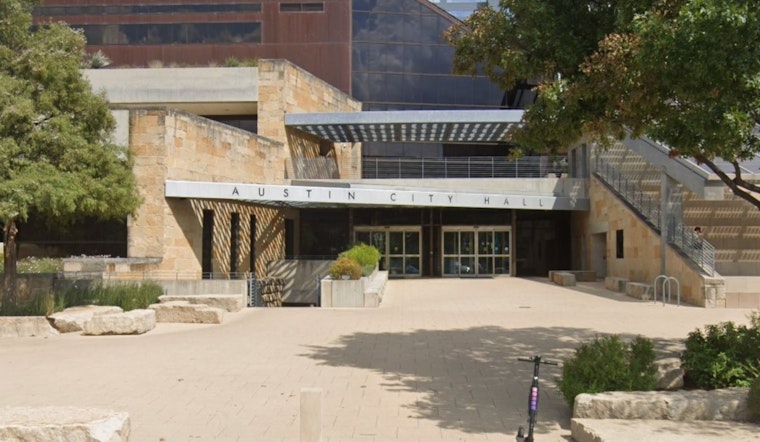
Austin's fiscal roadmap is taking shape with a new, and notably heftier, $5.9 billion budget proposal laid on the table by city manager T.C. Broadnax. With a nearly 7% jump from last year's $5.5 billion, the city is signaling a commitment to key investments, despite warnings of financial strain. Broadnax's proposal hinges on the necessity to "prioritize critical needs, be circumspect in our investments, and, now more than ever, listen to what Austinites want and need from their City government," as stated in an unveiling covered by Audacy. But with such a hike, those who call Austin home are poised to feel the impact where it often hurts the most: their wallets.
The plan includes a 5.7% property tax increase to partly offset the budget swell, translating to about an $8.52 monthly climb for the median homeowner. The catch here is that the property tax revenue bump is capped at 3.5%, the maximum allowed without rolling the dice on a public election, courtesy of Texas's legislative cap. Add to swiftly to grow revenue, Broadnax is resorting to a universal hike across all city service fees. This all comes to a crux with a predicted 5.4% yearly uplift for the "typical" ratepayer, as reported by KXAN, meaning folks could see an approximate $22.66 upsurge monthly when all is said and done.
It's not all take and no give, though. City employees are slated for a 4% wage increase, pushing the lowest paid up to $21.63 per hour. Meanwhile, investments in community and public services are also part of the chunky budget. A critical $3.6 million is earmarked for tenant stabilization, while needs like a new joint fire and EMS station and the expansion of the Mexican American Cultural Center are also addressed with multi-million dollar commitments, KXAN has sifted through the details and outlined.
Yet, there's room for public discourse before the Austin City Council casts its final votes, slated between August 14 and 16 as per the city's budget outline. A series of working sessions will prelude the council's decision, giving Austinites a narrow window to weigh in. Council Member Mackenzie Kelly, harboring a focus on minimizing costs for residents, looks set to advocate for budget cuts. She's not alone in her priorities, with other members speaking to the platform of homelessness, public safety, and most notably, affordability—all topics KXAN notes they are "focused on putting money toward."
With the ticking clock of the fiscal year start date of October 1, Austin's budget conversation is far from over. As the community braces for the financial recalibration that this proposal heralds, eyes are sure to stay fixed on the goings-on at City Hall for the weeks to come.





