

























































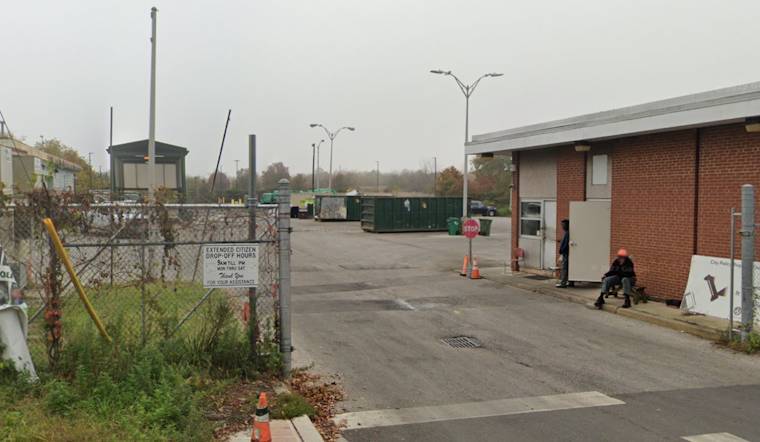
Amid soaring summer temperatures, a report from the Baltimore Office of the Inspector General highlighted severe shortcomings in workplace safety standards for the city's DPW employees. Findings revealed that workers are enduring sweltering heat without sufficient access to cooling facilities or water, raising serious health and safety concerns. With the heat index reaching a scorching 113F, the situation at the Western Sanitation Yard has been described as dire, as detailed by FOX45 News.
The emergency report, spurred by several complaints, was followed by a site visit on June 6, uncovering the difficult conditions at the 700 block of Reedbird Avenue facility. Not having had a working ice machine since last summer, workers reported no water or Gatorade provided at the beginning of shifts and trash trucks lacking air conditioning. FOX45 News obtained photos documenting above-80-degree temperatures in the designated "cooling station" and the disturbing use of a linerless trash can for storing ice and water, which quickly became warm.
Speaking to the urgency of the matter, Inspector General Isabel Cumming condemned the neglect, stating, "We have some of the hardest workers in Baltimore City who don't even have water." According to an anonymous interview with DPW workers by FOX45, the grueling conditions have resulted in workers fainting from heat exhaustion. In response, DPW pledged to amend these issues, yet additional complaints received two weeks later signaled no change, with Cumming finding the situation had "got worse."
The Department of Public Works, recognizing the responsibility for its workers' well-being, outlined proactive steps and corrective measures it has undertaken or plans to introduce. Despite these initiatives, additional reports from WBALTV and information provided by local news outlets like CBS Baltimore confirm that deficiencies persisted. With equipment overhauls and facility upgrades in the pipeline, DPW's response indicates a recognition of the dire need for improved working conditions, although the efficacy and implementation speed of these changes remain under scrutiny as the summer's oppressive heat continues to test the resilience of Baltimore's essential workforce.





