

























































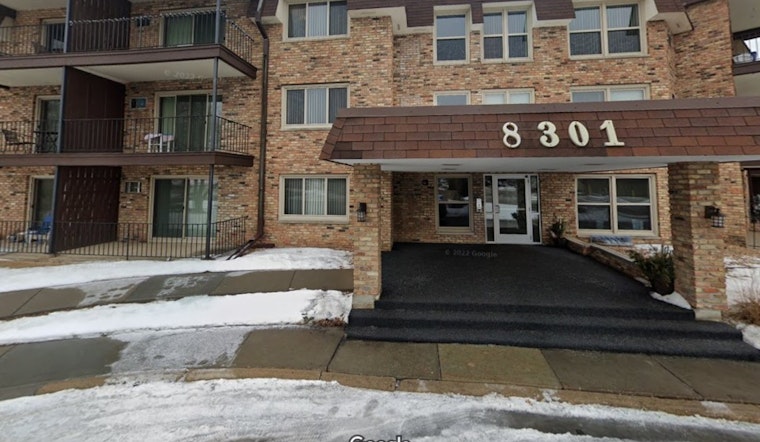
Bloomington's blueprint for residential living is on the verge of an update, as city officials gear up to hear public opinion on proposed changes within an established apartment building. Slotted for consideration is a significant alteration to the structure at 8301 Stanley Road, where current shared spaces might soon morph into an additional, separate place of residence. The Planning Commission is slated to host a public hearing on this matter on July 11, setting the stage for community voices to find their ear at 6:00 PM in the bloom of summer evening, within the Council Chambers of Bloomington Civic Plaza.
The details of the meeting and related materials are up for review at the city's website, with a link provided for those keen to delve deeper into the specifics here. Participants have a bouquet of options to tune into the discussion: they can show up in person, catch the broadcast on BTV via Comcast channels 859 or 14, or watch online through the City's official YouTube channel. For those wishing to voice their thoughts via phone, a testimony option is available, though it's tagged with the usual long-distance call rates.
Burgeoning concerns or endorsements related to the proposed changes have a home with Emily Hestbech, the city's planner, who serves as the point of contact. Questions can be funneled her way at the Civic Plaza's address, or through a more instantaneous venue such as a phone call or email to [email protected]. Hestbech's contact details and her role in facilitating this process were clarified in the official notice issued recently.
For residents and interested parties aiming to contribute their perspective via email or voicemail before the Commission's session, the city's clock is ticking; submissions are welcomed until noon on the day of the public hearing, ensuring there’s enough time for the correspondence to reach the desks of the decision-makers. Each testimony should explicitly reference the agenda item in question, an essential detail underscored in city communication. This is a narrative woven into the fabric of local governance, where individual threads – the voices of residents – have the power to sway the tapestry's final form.



