

























































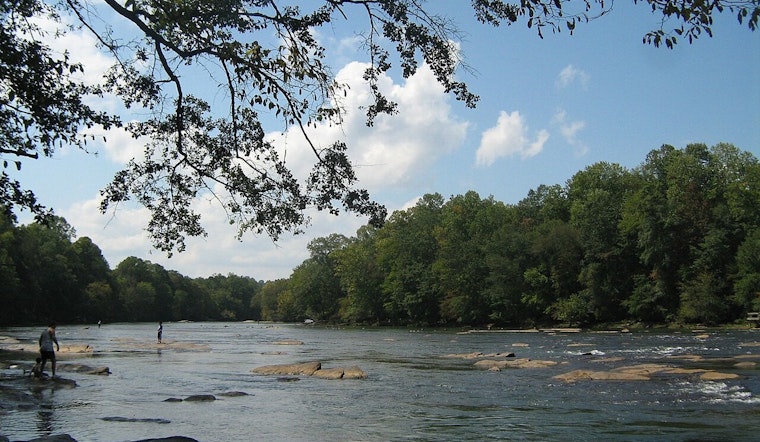
The City of Atlanta is on the verge of a legal battle concerning its management, or rather mismanagement, of sewage treatment, as revealed by the nonprofit watchdog group Chattahoochee Riverkeeper. Citing a litany of pollution woes at the city's largest water treatment facility, the R.M. Clayton Water Reclamation Plant, the environmental guardians are prepared to deploy the full force of the Clean Water Act in a courtroom. "Daily testing conducted by CRK at the outfall found E. coli levels were on average 340 times higher than the amount recommended by the U.S. Environmental Protection Agency for safe water recreation," CRK stated, according to WABE. This contamination runs through the veins of the Chattahoochee River, threatening to easily taint not just the water but the surrounding ecosystem for miles.
The issues were brought to light as early as March of this year, with the subsequent scrutiny revealing an alarming neglect in regular maintenance and malfunction of equipment at the water treatment plant. While the City of Atlanta has attempted to explain away the plant's failings due to heavy rainfall and thirds party interference by way of illicit substances, this explanation failed to satisfy the Georgia Environmental Protection Division (EPD). Upon inspection, the EPD laid bare a multitude of maintenance issues, some of which the City claimed to have been in the process of addressing. In an act to seemingly course-correct, on May 21, 2024, the Georgia EPD issued an enforcement order that included a $163,056.81 fine against the City of Atlanta. Yet, CRK's vigilance seems to have continued to reveal further instances where harmful E. Coli surges as recently as June 6, 2024, casting doubt on the city's reduction efforts.
This environmental debacle extends beyond technical failures and enters the realm of human and wildlife risk, with CRK's findings suggesting a direct pathway for contaminants, including ammonia and phosphorus, to suffuse into the river. These spills and the resultant contamination streak have been known to dangerously deplete oxygen levels, turning parts of the river into potential dead zones for aquatic life. In response to these ongoing transgressions, the Southern Environmental Law Center is poised to represent CRK, with a 60-day Notice of Intent to Sue already on the table. If Atlanta does not adequately address the violations, a federal lawsuit will follow. As for public comments, the City of Atlanta has remained silent, offering no narrative on the unfolding story.
Jason Ulseth, CRK's executive director, elaborated on the implications of this ecological negligence, stating, "We have serious concerns about the high levels of organic material and nutrients entering the river from the plant’s discharge, which violate the plant’s permit," as noted by WABE. The looming lawsuit seems poised to not just punish but also coerce corrective measures, with CRK and the Southern Environmental Law Center demanding an injunction to stop the violations and seek recompense for damages and legal fees incurred. As summer invites Atlantans to its river banks, what looms is the invisible specter of E. coli, a microscopic warning of the delicate balance between urban expansion and environmental preservation, now tipping precariously in favor of a court gavel.
It's a story that follows a familiar plot: a river once befouled, a city pledged to mend its ways, and the vigilant eyes that hold that promise to the light of truth. The march to litigation promises to be more than a process of grievances aired but a resistance to the notion that a river is less a living thing than a testimony to our own human will to uphold the sanctity of nature, or let it slip through our fingers. The question now is not whether the City of Atlanta hears the call, but whether it chooses to act.





