

























































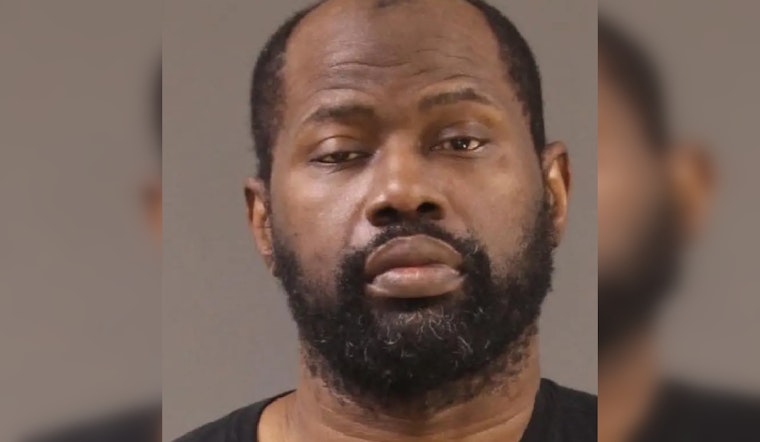
Former Philadelphia homicide detective James Pitts has been convicted on charges of perjury for his role in the wrongful murder conviction of Obina Onyiah. According to a report from FOX 29, the jury found Pitts guilty of abusing his authority and employing illegal tactics to coerce a false confession from Onyiah in 2010, subsequently lying about his actions under oath.
The conviction is a result of a sustained effort to scrutinize cases that have long raised concerns about the integrity of confessions and fairness, Pitts' actions leading to Onyiah falsely admitting to the robbery-murder of William Glatz at the Glatz Jewelry Store in Lawncrest in 2010; this though scientific evidence later emerged proving Onyiah's innocence, was reported by NBC Philadelphia. During Onyiah's 2013 murder trial, Pitts denied assaulting Onyiah, and Onyiah's claims of physical coercion were not successful at the time.
After Onyiah's conviction was vacated in 2021, when new evidence surfaced that he could not have committed the crime, focus shifted back to the detective's misconduct. The Philadelphia District Attorney's Office underscored the significance of this conviction, noting it is the city's first instance of a detective being found guilty of coercing a confession that led to a wrongful conviction. DA Larry Krasner emphasized the importance of evenhanded justice stating, "My administration will continue to seek evenhanded justice in all cases prosecuted by this office, regardless of the defendant, because no one is above the law."
Pitts, who joined the Philadelphia Police force in 1996 and the Homicide Unit in July 2006, was also implicated in assaulting his then-wife in 2002; the grand jury investigation revealed he lied to responding officers as well as in a written statement, claiming his wife had attacked him, this detail according to NBC Philadelphia. Pitts is scheduled to be sentenced on October 4 for the charges stemming from his conduct in the Onyiah case, and the law enforcement community, and Philadelphia citizens await the court's determination of an appropriate redress for Pitts' breach of the public trust.





