

























































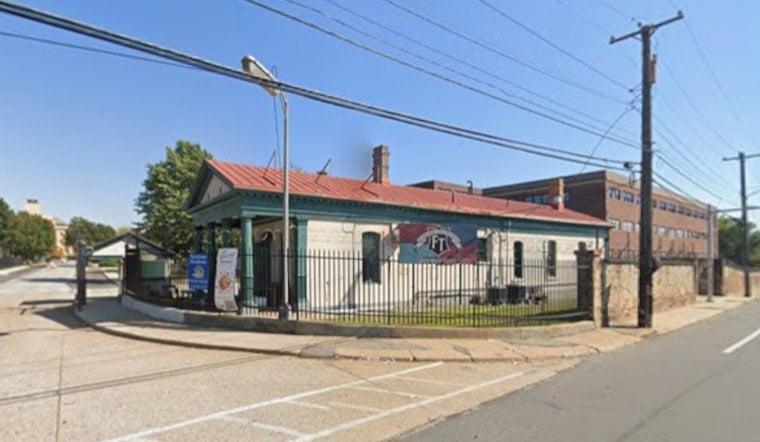
Families and former narcotics officers from Northeast Philadelphia say something is very wrong at the old Frankford Arsenal, and they are no longer keeping it quiet. Several people with ties to the former ammunition plant, now an industrial and office complex, have been diagnosed with glioblastoma, an aggressive and rare form of brain cancer. The cases stretch across years and include narcotics officers who spent long hours working out of the converted site. For relatives, the one thread that keeps popping up is time spent at the shuttered arsenal.
Local reporting and court filings have connected three longtime narcotics unit officers, Michael Deal, Andrew Schafer and Joe Cooney, to the illnesses, and families filed lawsuits in December alleging the site's owners and managers failed to properly clean up known hazards, according to The Philadelphia Inquirer. The complaints accuse the Philadelphia Authority for Industrial Development and Hankin Management Company of disregarding records and Army Corps findings that, the plaintiffs say, pointed to lingering radioactive and chemical contamination at the former defense site.
The story has now jumped to the national stage. As reported by NBC News, four people who spent time at the Frankford Arsenal have been diagnosed with glioblastoma. Local outlets, including KYW Newsradio, report that one of the officers, Joe Cooney, died recently and that the families' attorney says the number of cases "far exceeds" what would be expected in the general population.
What federal records show
Federal cleanup files paint a long, piecemeal history at the site. The U.S. Army Corps of Engineers notes that the Frankford Arsenal was decommissioned in 1977, with remediation work completed in 1980. In its 2025 five-year review, the Corps concluded that the remedy in Area I remains protective, while raising questions about construction and capping work in Area II. Corps documents identify lead, polychlorinated biphenyls (Aroclor 1260) and benzo(a)pyrene among contaminants at the property.
The EPA lists the Frankford Arsenal as a Formerly Used Defense Site and shows that it is not on the National Priorities List. The agency, however, maintains historical records on contamination and cleanup activity at the location.
Why epidemiologists pay attention
Glioblastoma is both uncommon and devastating. Neurosurgical and cancer research organizations describe it as the most aggressive primary brain tumor, with annual incidence measured in the low single digits per 100,000 people. Because the tumors are rare, any apparent cluster tends to draw interest from epidemiologists looking for potential shared exposures.
Experts caution, though, that proving a clear environmental cause is far from simple. It typically requires large, controlled studies and careful analysis of the surrounding population, as noted by groups such as the American Association of Neurological Surgeons and cancer researchers at the American Cancer Society.
Legal fallout and community concerns
The lawsuits filed in Philadelphia's Court of Common Pleas seek damages and claim that tenants and workers at the arsenal complex were never warned about potential hazards. The families' attorney, Bill Davis, told KYW Newsradio that prior Army Corps reports repeatedly flagged hazardous materials at the site.
The Philadelphia Authority for Industrial Development and the property managers have declined to comment while the litigation is pending, and developers named in the complaints did not immediately respond to requests for comment, The Philadelphia Inquirer reported.
For now, public notices from the Army Corps state that the agency will seek more information from the property owner and may issue an addendum to its five-year review once that follow-up is complete. Neighbors and the officers' families say they plan to keep pushing for additional testing and more transparency as the civil cases move ahead.
Lawyers expect discovery in the lawsuits could bring to light more records about past testing and remediation work, and public health officials still have the option to request a formal epidemiologic study if the pattern of cases appears to warrant deeper investigation.




