

























































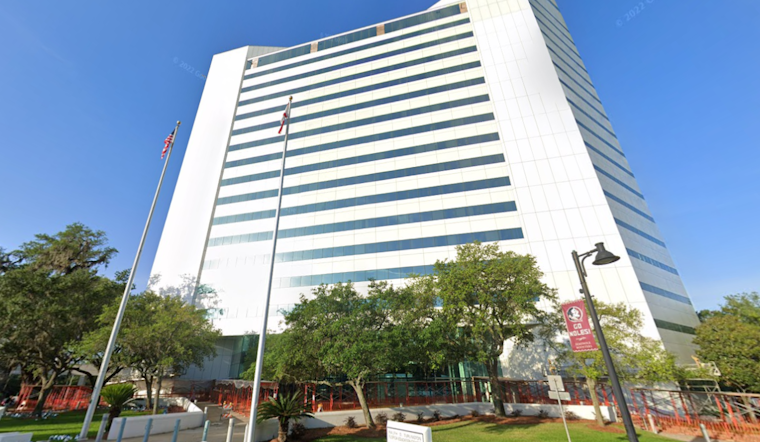
Amid the news buzzing about educational benchmarks, the Florida Department of Education has unleashed the latest data revealing how the state's students are performing, and it's sparking conversations ranging from accolades to skepticism. According to ClickOrlando, the test scores from the Florida Assessment of Student Thinking (FAST) are in, and they're painting a picture of progress, officials say, in the form of progress monitoring assessments that provide real-time insights on student achievement throughout the school year. Florida Education Commissioner Manny Diaz, Jr. has hailed the results as proof of substantial student growth, citing year-to-year improvement across the state.
Though the specifics vary by county, Brevard students have reportedly scored at or above the state's overall numbers, with Orange County not far behind, boasting jumps in Math and English Language Arts and seeing gains or maintaining levels in a majority of reported areas. Additionally, Volusia County has made significant strides, with middle and high schoolers outperforming the state's gains in Algebra 1 and increasing proficiency rates across various end-of-course exams. Details from the Florida Department of Education, echoed by local counties, paint a tableau of achievement. For instance, Ormond Beach Middle School has maintained a flawless Geometry EOC pass rate for an impressive third consecutive year, as detailed by ClickOrlando.
However, there's another side to this story, grappling with the granularity of performance data and the palpable tension between testing and teaching. Students such as Boone High School's Brady Graham shared that the FAST exams, taken thrice a year, might not be the be-all and end-all indicators of capability; for example, one test session affected by illness can skew perceptions of a student's performance—his words reflecting a broader critique of standardized assessments' predilection for variability and imprecision. And then there's Brady's mother, Melissa Graham, a former educator, who candidly opined that while test scores are a piece of the larger puzzle, it's the teachers who truly grasp the essence of fostering student achievement, as "they're more than a number", as per WFTV.
Educational advocates like Damaris Allen from Families for Strong Public Schools are raising concerns, suggesting that the ever-evolving landscape of state testing might cloud the ability to discern true academic progression—or regression. Isn't it tough to track progress when the goalposts keep shifting? Thus, the data from new testing protocols, like FAST, should be wielded with caution in drawing definitive conclusions about the state's educational trajectory. These voices and the fresh test data converge at a crossroads of innovation and inquiry, framing a narrative about Florida's educational ethos where real-time data is both lauded and lambasted, seemingly in the same breath, as cited by WFTV.





