

























































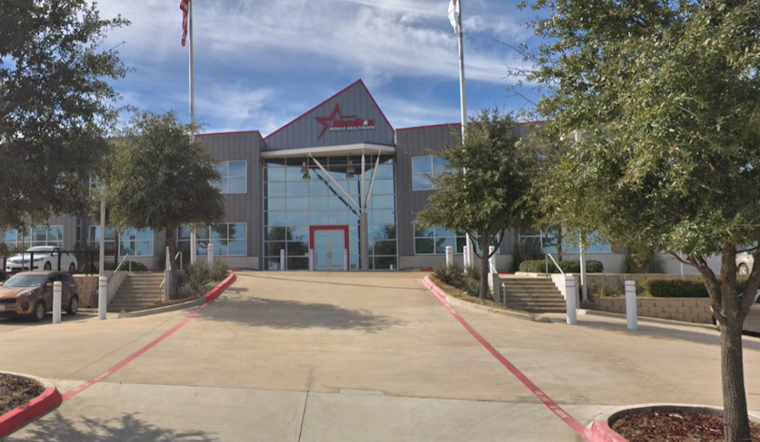
In a bold restructuring of emergency medical services, Fort Worth is bidding farewell to its established provider MedStar, and embracing a new, fire-based EMS system. According to the Fort Worth Report, the Fort Worth City Council has given unanimous approval to this significant overhaul, a process forecasted to take between 12-18 months and cost around $10 million. This initiative intends to address the financial challenges faced by MedStar, highlighted by diminishing reimbursements and escalating call volumes.
With the adoption of this new model, the city is also on the hunt for a 911 communications administrator capable of orchestrating the seamless transition, as reported by The Dallas Express. The forthcoming administrator, with a salary range stretching from $160,000 to $185,000, shall report to an assistant city manager, and collaborate closely with fire and police chiefs. "There’s a lot of up in the air. But I think that this person will help us really hone in and address some of the transfers and call issues that we’ve been having” with dispatch," Assistant City Manager Valerie Washington stated in the report.
MedStar's phase-out signifies the end of an era, as the provider has offered EMS services to over a million Tarrant County residents across a sprawl greater than 436 square miles since 1986. The staff, including those currently at MedStar, are expected to join the fire department's ranks, where they will acquire the same civil service protections as firefighters. This measure stands as a nod to the meritorious service of MedStar, whose employees, as Mayor Pro Tem Gyna Bivens assured, will be integrated into the new system, "I can promise you service will continue and we’ll have one unit taking care of everyone," as per the Fort Worth Report.
Analysts suggest that such transitions are tethered with challenges but also abundant in opportunities. Councilmember Carlos Flores chaired the committee that synthesized the recommendation for a fire-based EMS in collaboration with consulting firm Fitch & Associates. "Let me be perfectly frank — the landscape of EMS services has changed drastically," Flores said, as cited by the Fort Worth Report, "It is no longer sustainable." Additionally, the council is setting up two distinctive advisory boards to oversee the new system, focusing on EMS and medical control respectively.





