

























































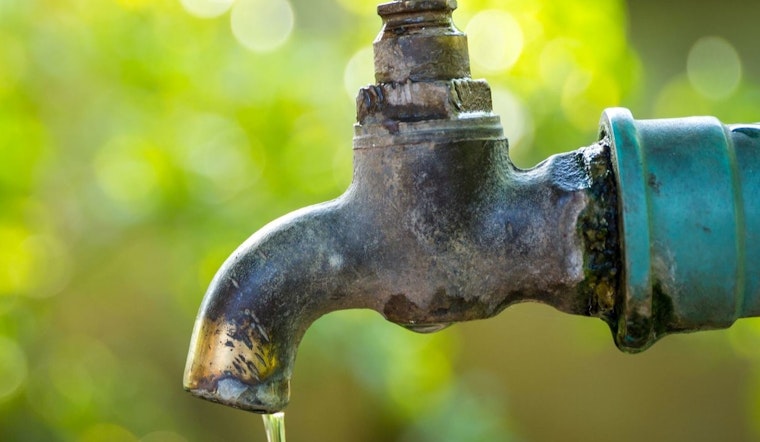
Rice County residents, particularly those with infants under one year of age or expectant mothers, as well as households experiencing financial need, now have access to free well water testing kits, as announced in a recent statement from the local public health department. The kits can be collected at Rice County Public Health, 320 NW Third Street NW, Faribault while the supply lasts, aiming to ensure water safety in the community through an initiative backed by a Minnesota Department of Health grant.
The funding — part of a collaborative effort across a nine-county southeastern Minnesota region which includes Dodge, Fillmore, Goodhue, Houston, Mower, Olmsted, Rice, Wabasha, and Winona counties — focusses on testing for a suite of potential contaminants such as nitrate, coliform bacteria, arsenic, manganese, and lead; high levels of these substances can pose serious health risks, particularly for vulnerable populations like babies, pregnant individuals and children, according to the statement Deb Purfeerst, Rice County Public Health Director provided. Access to safe drinking water is a public health priority the counties’ Soil and Water Conservation Districts, environmental services, and public health departments align in addressing this critical issue.
Residents whose well water tests positive for these contaminants have the opportunity to seek financial assistance for remediation, which may include installing water treatment systems, well repairs, or even new well construction under the TAP-IN Safe Drinking Water Program. Funding can potentially cover a substantial portion, ranging from 50%-100% of associated costs, says Brad Behrens, Rice County Environmental Specialist.
To apply for the TAP-IN program individuals must use a private well, have proof of contamination from a certified lab test within the last three years, and meet certain priority eligibility requirements which — if applicants can demonstrate financial hardship, or if there are pregnant women or infants under one are living in the household, might afford them additional support, consultations with licensed professionals including well drillers and water treatment experts is necessary to gain a plan and cost estimate for the solution; after which the application must be submitted alongside the project plan and lab test report to a local county office or SWCD, all of which are steps outlined on the county's official website.
Those interested in acquiring a test kit, applying for assistance, or seeking further information may contact Rice County Public Health Director Deb Purfeerst at [email protected] or by phone at 507-332-5914, Rice County Soil and Water Conservation District Manager Steve Pahs at [email protected] or by phone at 507-332-5408, Rice County Environmental Specialist Brad Behrens at [email protected] or by phone at 507-333-3871, or Communications Coordinator Suzy Rook at [email protected] or by phone at 507-384-6509.





