

























































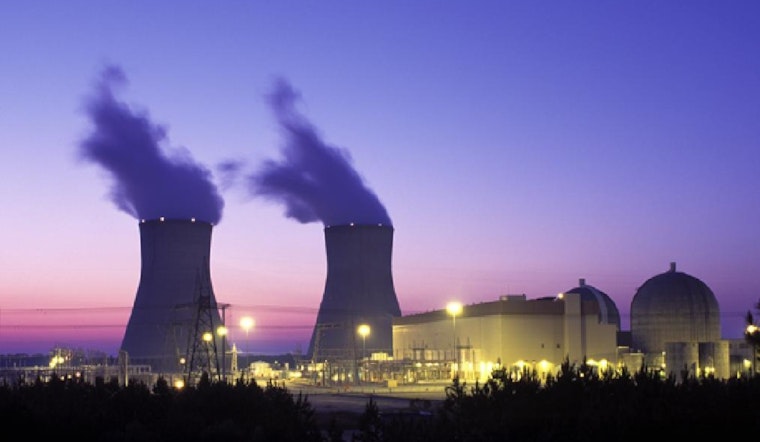
Amid pressing climate deadlines, Georgia companies and government entities are intensifying their efforts for a greener future, yet the pace of utility providers and regulators is becoming a growing concern. Georgia Power's unveiling of its new nuclear reactors at Plant Vogtle, which faced delays and budget overruns, now claims the capability to power a million homes carbon-free. This advancement has been met with a mix of celebration and scrutiny, as reported by WABE.
While the completion of the Vogtle reactors signifies a leap in clean energy, the reality check swiftly follows, as less than half of Georgia Power’s electricity output is derived from carbon-free sources. This compels entities like Hyundai, which seeks to kickstart its Georgia electric vehicle plant fed by 100% renewable energy, to source excess energy through alternate arrangements, such as its Texas solar farm deal.
The struggle extends beyond corporate giants, touching local governments like Decatur, where officials underscore the necessity of external help to achieve their 2050 clean energy targets. Decatur's energy and sustainability manager David Nifong emphasized the city's dependence on utility providers, telling WABE, "Our clean energy plan says it explicitly that we’re not going to be able to meet our clean energy goals without the utility." This has led to an alliance of local governments advocating for change before the state's Public Service Commission, which governs Georgia Power's energy mix and pricing.
Yet amidst this clamor for action, Georgia Power delays coal plant retirements and plans new gas plants, which seemingly contradicts the shift towards renewable sources. Their parent company, Southern Company, maintains a more distant vision, pledging net zero carbon emissions by 2050 and boasting of their planned zero-carbon resource additions, which, according to CEO Chris Womack, represents over 80% of their resource additions up to 2030. However, the introduction of new clean energy programs and battery storage initiatives, as approved in their integrated resource plan, indicate a tentative step towards reconciling corporate and global aspirations with utility realities.
The urgency intensifies as environmental pressures mount, with extreme weather events sharpening the call to action. Katie Southworth of the Clean Energy Buyers Association told WABE, "We need utilities to match our ambition." Indeed, the collaboration between large-scale energy consumers, utility commissions, and utility companies will be instrumental on the challenging road towards a sustainable, cleaner Georgia.





