

























































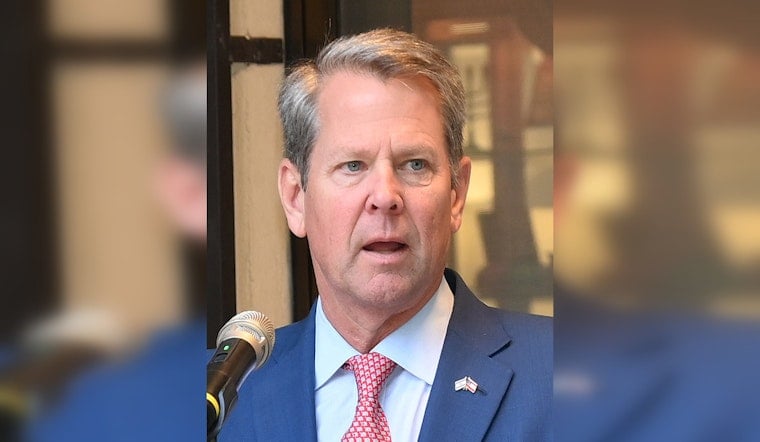
Georgia's unique Medicaid plan, known for incorporating work requirements, has shown underwhelming results during its first year of operation. Launched on July 1, 2023, the program has just over 4,300 members compared to the 25,000 low-income residents it aimed to cover, according to Fox 5 Atlanta. Governor Brian Kemp's administration has blamed delays on the Biden administration and is committed to ramping up enrollment efforts despite the program's setbacks.
The work requirement embedded in the Pathways program, mandating at least 80 hours of employment, volunteering, education, or vocational rehab monthly, has been criticized for its rigidity with no allowance for caregivers or those facing insurmountable barriers such as substance abuse, lack of transportation, or sickness—all factors contributing to the low uptake; Fox 5 Atlanta provided insights on this by reporting statements from experts like Leo Cuello, a research professor at the Georgetown University McCourt School of Public Policy, who labeled the program a "huge failure."
In the backdrop of a national trend where Republicans are considering Medicaid tied to work assignments—a policy significantly encouraged during Trump's term—the performance of Georgia's Pathways looms large as an example to be scrutinized. This approach may have greater implications beyond the state's borders. As of June 7, 2024, the Georgia Department of Community Health confirmed the Pathways membership stood at 4,318, a figure presented alongside state-directed marketing efforts in the form of social media and streamed ads, seeking to bolster the program's reach while preparing for a "robust" campaign, as reported by AP News.
The program's tepid start stands in stark contrast to states like North Carolina, which saw nearly 500,000 enrollees in less time through full Medicaid expansion—a path not taken by Georgia. This highlights a discordance in policy approach and outcomes. Georgia is currently engaged in a legal battle to extend Pathways beyond its September 2025 expiration, having sued the Biden administration to seek an extension until 2028. Federal court arguments were held last month. "Pathways deserves more time to see if it reaches its potential," said Chris Denson, policy director at the Georgia Public Policy Foundation, as noted by both AP News and Fox 5 Atlanta.





.jpg)