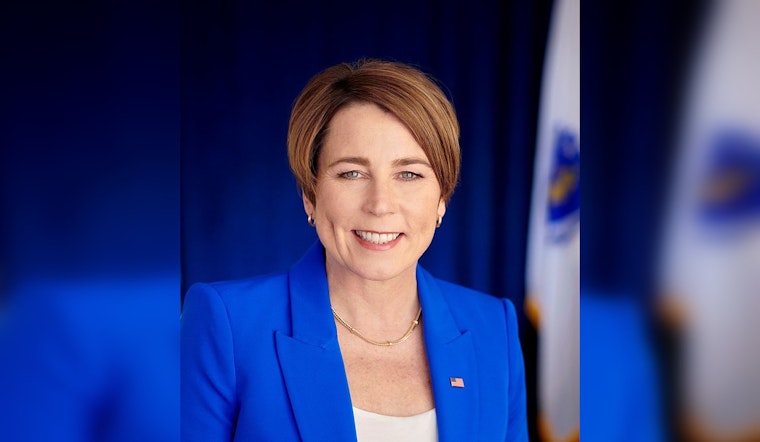
The fiscal future of Massachusetts just got clearer as Governor Maura Healey announced the continuation of a strategic hiring freeze across the state government. This freeze, which has been in place since April due to unpredictable tax revenue figures, is set to persist until the end of October. The move aims to put Massachusetts in a strong fiscal position for the beginning of fiscal year 2025, according to statements made by Secretary of Administration and Finance Matthew Gorzkowicz, as reported by NBC Boston and the Boston Globe.
The decision to maintain these controls comes despite a budget outlook that is beginning to brighten. Since their implementation, these measures have helped to manage spending effectively, allowing the state to balance its budget for Fiscal Year 2024. Gorzkowicz highlighted that although the measures have been tough, they "have proven to be effective in managing spending and helping ensure that we can balance the Fiscal Year 2024 state budget," adding to the fiscal prudence the administration seeks to maintain, according to NBC Boston. Moreover, these hiring controls should help to ensure that Massachusetts can continue responsibly managing spending into the coming year.
While some state positions have been exempt from the freeze, including roles in direct care and public safety, approximately 250 job postings have been removed, translating into at least $17 million saved. Notably, these figures contrast with reports of new hires still being made. The State House News Service shared that since April, the Executive Branch has brought on board around 1,304 new employees, which amounts to an $87.1 million expense. According to the same report, about 300 waivers for critical new hires were approved by the Administration and Finance office.
Despite the efforts to tightly control state hiring, Massachusetts' fiscal landscape remains complex. With collections over $700 million or 2% above the predicted revenues, the surplus mainly stems from the new income surtax and capital gains taxes. These, as Matthew Gorzkowicz emphasized, are targeted towards bolstering funding for future education and transportation projects as well as contributing to the rainy day fund, rather than necessarily having an immediate positive impact on the balance sheet. Officials have yet to release complete revenue figures for June, leaving a degree of uncertainty hanging over the state's fiscal health as they cautiously navigate these waters.