

























































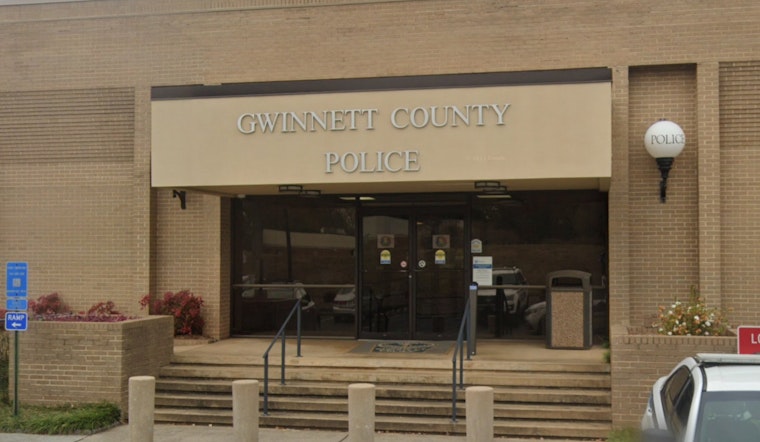
In Gwinnett County, officers are expanding their skill sets beyond traditional crime fighting to serve as frontline mental health responders, a transformative shift in how law enforcement addresses the intersection of public safety and mental healthcare needs. Spearheading this approach is the Behavioral Health Unit (BHU) at the Gwinnett County Police Department, pairing officers with licensed mental health clinicians to better serve a community grappling with mental health crises before they escalate to the criminal justice system.
Sergeant David Smith brings a personal touch to the unit, drawing on his experience with a family member with a disability, as reported by WABE. "My reputation has shown I really want to help people," Smith told WABE. In 2023, the Gwinnett BHU responded to 4,800 calls, highlighting the growing need for specialized mental health crisis intervention across the county's diverse population.
The collaboration between policing and mental health professionals in Gwinnett, while not unique in the state, is tailored to the area's fast-growing and ethnically varied communities. Smith notes the advantage of a multilingual team capable of speaking Spanish, Arabic, and Fans, languages reflective of the county's demographics—which include 31.3% Black, 23.8% Hispanic or Latino and 14.1% Asian, according to the U.S. Census Bureau.
Dedicated to "get in front of it" when it comes to mental health crises, the BHU's personnel attempt to destigmatize mental health interventions, often eschewing handcuffs for those cooperating voluntarily. This tactic aligns with the unit's impressive 98% jail diversion rate, underscoring their emphasis on treatment over incarceration. And yet, the question of whether police should even be involved in mental health responses remains at the forefront, a sentiment echoed by Smith himself. "I still believe to an extent it's not the police department's job to handle mental illness," Smith said, as noted by WABE.
The Gwinnett County Board of Commissioners, seemingly in support of this ongoing initiative, approved a $714,000 contract extension with View Point Health—a modest increase from the previous year. The contracted partnership underscores a trend recognized nationwide: a movement towards decoupling mental health crises from potential police violence. This shift in ideology comes after an increasing public outcry, tied to cases like the 2022 fatal shooting of Jonathan "Dani" Laubscher by police officers in a scenario where a mental health crisis unit was requested.
Activists, such as those with the Policing Alternatives and Diversion Initiative (PAD) in Atlanta, advocate for alternative emergency response models that replace armed police officers with unarmed civilians. This approach, aimed at harm reduction, seeks to assist individuals with accessing housing, jobs, and substance use treatment, sidestepping potential escalations to violence. Whether through PAD's activism or through integrated teams like the BHU, it's certain that the evolving role of law enforcement and mental health crisis intervention continues to navigate a complex landscape, aiming to forge a more empathetic and effective path forward.


