

























































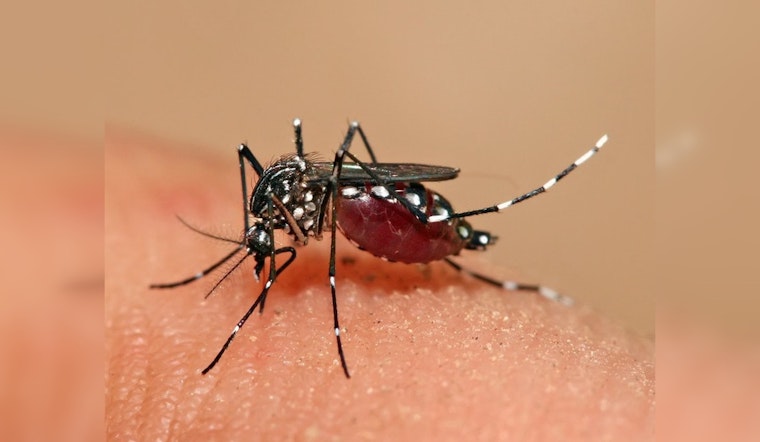
As the summer heats up in Georgia, so does the threat of mosquito-borne diseases for locals and globetrotters alike, with health officials spotlighting the heightened risk of infections like dengue fever, especially contracted when Georgians travel abroad. In an alert from the Centers for Disease Control and Prevention cited by GPB, dengue cases have hit an all-time high globally, though symptoms—ranging from high fever to nausea and rash—are often absent or dissipate within one to two weeks.
According to GPB’s report, the most prolific mosquito-borne infection is dengue which, while not native to Georgia, has been seen in Georgians traveling to places that include the Virgin Islands and Puerto Rico, the latter having declared a public health emergency after logging an alarming 1,498 cases this year and dengue cases have surged post-COVID-19 with fatal results for some; last year, the Americas witnessed 4,000 deaths due to the disease. Georgia’s own Dr. Cherie Drenzek from the Department of Public Health emphasized the essentials of mosquito bite prevention both locally and while traveling.
With international travel picking up, Dr. Drenzek also pointed out the increase in malaria cases related to those coming back from abroad, "We don't have local acquisition of Zika or malaria or dengue here in Georgia," she told GPB. "But those are the big ones that we see that people from Georgia can acquire while they're traveling."
Prevention essentially boils down to mosquito control and bite avoidance strategies, both at home and during travels, as advised by the local health authority. They recommend reducing mosquito populations by eliminating stagnant water found in everyday objects—from cans to kiddie pools—that serve as breeding grounds for these pests. Stressing that this proactive approach is key in keeping mosquito numbers down, and in turn, curtailing the spread of these infectious diseases.





