

























































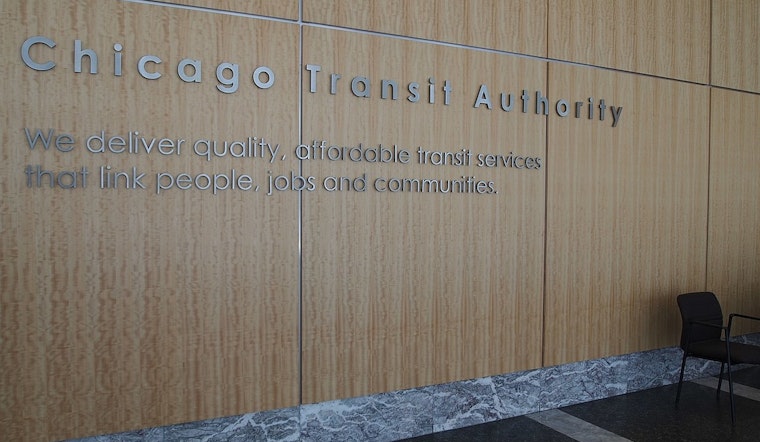
The landscape of public transit in Illinois is on the verge of transformation, prompted by a hearing that took place on Tuesday morning, spearheading public input on the consolidation of the region’s major public transportation agencies: CTA, Metra, and Pace into a single streamlined entity.
According to CBS News Chicago, the Illinois Senate Transportation Committee commenced its first hearing on the Metropolitan Mobility Authority Act which envisages a merger designed to integrate these transit authorities under a unified banner allowing for what could become a more efficient, singular public transportation system with universal fare passes, and though State legislators have to pin down the financial implications, public opinion is being mined for insight on safety, accessibility, and the financial feasibility of the merge.
Currently, the Regional Transportation Authority, which oversees the budgets for CTA, Metra, and Pace, anticipates a staggering $730 million shortfall by the year 2026, an ominous forecast made more critical as federal COVID relief funds recede, compounding the urgency to innovate the existing transit structures that currently splinter resources and management across three separate entities.
ABC7 Chicago reported that the merging process is not only seen as a remedy to the impending budget crisis but also a potential catalyst for eliminating systemic competitions, and financial redundancies, a move that transit agency leaders who will provide testimonies today, hail as a necessary step towards bolstering the state's economy harnessing a streamlined approach to mass transportation.
Further opportunities for public discourse are on the horizon with subsequent hearings scheduled across the state, including July 24 in the south suburbs, with additional forums slated for August, and a concluding session to be held in Springfield later in the year as the narrative of Illinois’ transit future unfolds.





.jpg)