

























































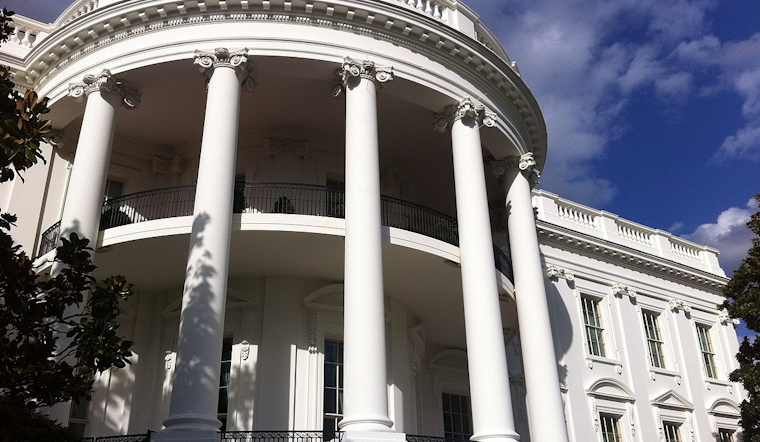
This week marks the rollout of the fifth Investing in America tour, dubbed "Investing in America, Made in America". President Biden's Cabinet and White House officials are slated to make stops in over 30 states, spotlighting the effect of the President's policies on lowering everyday costs and fostering job growth across America, according to The White House.
To accompany the tour, the White House has introduced new features on Invest.gov, including a Savings Explorer designed to help Americans truly understand how they can save on an array of costs, ranging from healthcare to groceries. The White House asserts that Biden's actions have significantly taken to decrease costs for families, citing the capping of insulin costs and the empowerment of Medicare to negotiate prescription prices as key examples. Meanwhile, criticism of Republican proposals that could potentially raise costs was sharply articulated by the administration.
Further underscoring the administration's reach to rural America, a dedicated page on Invest.gov/rural was launched to share success stories stemming from federal investments in rural communities. These narratives range from a Georgia town's new wastewater treatment plant to expanded emergency services in a Michigan hospital, underpinning the administration's assertion that these regions are on the upswing thanks to the current policies.
In tandem with these digital initiatives, tangible infrastructure developments are also at the forefront, with the Department of Transportation earmarking $5 billion for large bridge projects across thirteen states, expected to create jobs and enhance connectivity for communities. These projects come as a part of the Biden administration's extensive plan to certainly reinvest in the nation's foundational resources.
As part of the Made in America week, numerous White House officials and Cabinet members are highlighting investments tied to domestic manufacturing and infrastructure initiatives. The scale of the tour is expansive, with visits focusing on an array of projects and policies ranging from clean energy pursuits in the U.S. Virgin Islands to advancements in the semiconductor supply chain in Colorado. The tour aims to showcase how these investments compound into economic dividends for diverse American communities.
At the same time, the White House is framing the narrative against a backdrop of Republican initiatives that it says would reverse gains, raising costs in energy, healthcare, and middle-class taxes. Officials assert that the proposed rollbacks would hinder the progress achieved through the Biden administration's investments in domestic manufacturing and clean energy, significantly impacting the production and creation of jobs within the country. As the tour progresses, engagements with communities are set to illustrate the contrast between these distinct policy paths.




