

























































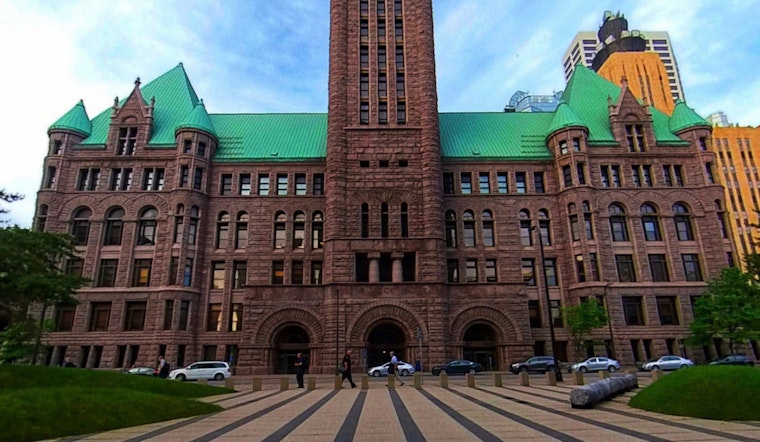
In a decisive move by the Minneapolis City Council, an agreement was reached with the Police Officers Federation of Minneapolis that promises to reshape the landscape of policing in the city. Following a majority 8-4 vote, the Minneapolis City Council has adopted a collective bargaining agreement that includes a substantive 21.7% pay increase over three years for police officers—a shift that will propel MPD compensation from the bottom quartile to the top echelon regionally.
The approved contract, spanning from January 1, 2023, through December 31, 2025, encompasses more than just an upheaval in pay scales. According to the City of Minneapolis' press release, measures to effectively manage police resources, including increased managerial discretion over staffing and a streamlining of the promotional process, are key components of the deal. The agreement also greenlights the permanent employment of civilian investigators to relieve officers of clerical and investigative work, thereby redirecting their attention to pressing safety concerns.
Transparency and oversight have been granted a significant boost under the new pact. Alongside the 'zipper clause,' which aims to eradicate confusion over which off-the-cuff agreements are still valid by stipulating that only the ones explicitly included in the primary contract are to be recognized, the contract grants the Chief of Police the autonomy to put an officer on paid leave for up to 180 days amidst serious misconduct allegations, a marked extension from the previous 30-day limit.
Another progressive note in the agreement is the nullification of automatic notification for officers when a public data request concerning them is filed. This simple yet crucial change promises to reduce barriers for citizens seeking transparency and accountability from their police departments. Additionally, the contract was negotiated with an eye towards the city’s long-term project of re-imagining community safety—a plan steeped in the deployment of personnel where they’re required the most.
Outside of policing, the city of Minneapolis is also preparing for some cultural festivity, as Emily Koski, City Council Member for Ward 11, beamed over the upcoming Uptown Art Festival. Set to take place on August 3-4 at Bachman's Floral, Home & Garden Center, the event is expected to forge a sense of community around 150 artistic practitioners and the culinary pleasures provided by four food trucks. Additionally, the well-being of the city's more verdant spaces was spotlighted through Parkway Lawn Service's switch to electric lawn care equipment with the help of the Minnesota Pollution Control Agency and the City’s Green Cost Share Program, a testament to local businesses' contribution to environmental stewardship and public health.
Completing this whirlwind of community engagement, civic action, and local governance, the newsletter also highlighted the departure of Corinne Horowitz, the Ward 11 Policy Aide, who has left for a role with the State of Minnesota. Horowitz's efforts were vividly recognized while welcoming Emily Campbell as her successor. Koski also punctuated the update with a nod to the enjoyment of summer—announcing the new wine and beer offerings at Painted Turtle near Lake Nokomis—and a reminder for National Night Out gatherings, indicating her intention to visit several neighborhoods personally for the Aug. 6th event.



