

























































Amid a sweltering summer that tests the resolve of Minneapolis, the city's latest police contract continues to stoke debate, with one side pushing toward public safety rooted in law enforcement while others call for a broader approach that includes unarmed safety programs. City Council Member Aisha Chughtai, representing Ward 10, recounted the fiery discussions and the subsequent decisions made during the City Council meetings about the Minneapolis Police Officers Federation Contract in a recent, detailed newsletter obtained by SFist.
In her opposition to the proposed contract, Chughtai stressed the necessity of fairly compensating all city workers, expressing her discontent with the "historic increase in MPD wages" at a time when she believes some of the city's lowest wage workers are being overlooked despite budget allocations that would allow for raises. Concerns were particularly piqued by the Administration's refusal to entertain reforms to coaching practices, and this, coupled with inflated wages that would set Minneapolis officers' paychecks above those in major cities like New York and Los Angeles, tipped Chughtai's vote to a definitive no. However, the majority of the City Council thought otherwise, with the contract finally passing during the July 18 meeting, according to the City of Minneapolis.
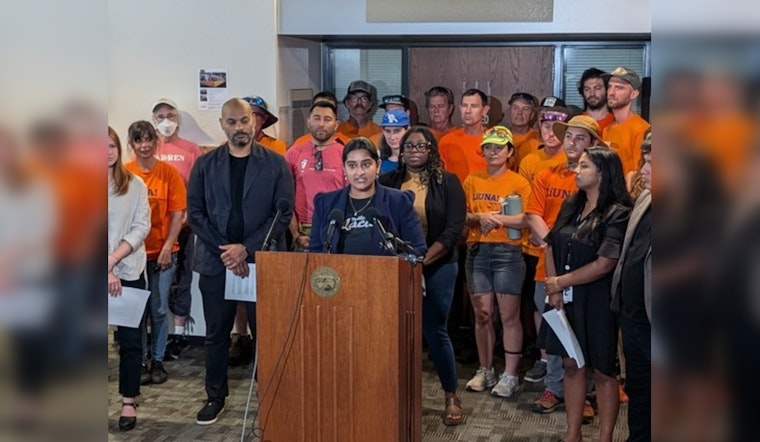
While the council wrestled with issues of public safety pay, they also turned their attention to the city's park workers, who are embroiled in a strike seeking equitable pay and better job safety. The Council passed a resolution supporting the striking workers of LiUNA! 363, affirming the shared belief that the work they perform is integral to the community. Chughtai highlighted her solidarity with these frontline workers through her overwhelming pride in supporting their battle for a deserving contract.
Sticking points arose when the Frey Administration proposed a funding plan for the police contract that involved siphoning money from already-budgeted Public Safety Aid, seemingly undermining the city's pledge to uphold a "both, and" approach to public safety, as per the City of Minneapolis. Rejecting this scenario, Chughtai fronted a counterproposal that preserved dollars for comprehensive safety initiatives without inflating the tax load on Minneapolis residents. Her maneuver proved successful, padding unarmed safety programs and bringing down the city's deficit by $6 million over the next two years.



