

























































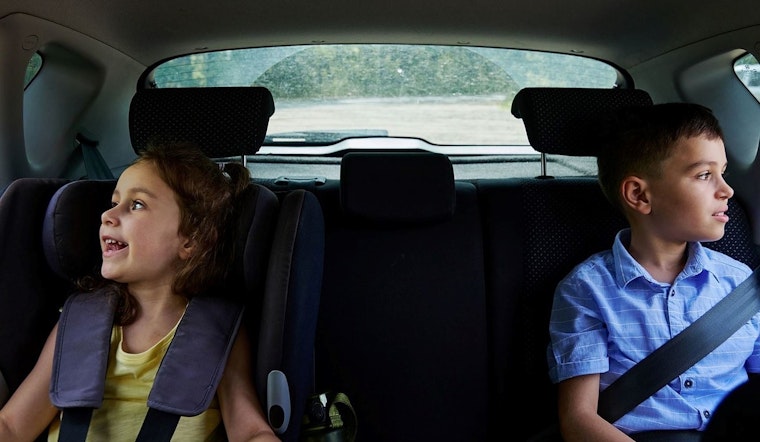
Starting August 1, Minnesota parents need to buckle up for enhanced safety regulations surrounding child passengers. The new child passenger safety law aligns with the American Academy of Pediatrics recommendations, ensuring kids aren't transitioning to lesser restraints prematurely. These updates are critical; vehicle accidents remain the top threat to children's lives on the road. As reported by the Centers for Disease Control and Prevention (CDC), the year 2021 witnessed 711 fatalities of children 12 and under in motor vehicle incidents across the U.S., A vexing 36% of these young lives were lost without the protection of proper restraints.
Here's what's shifting under the new law, as Rice County has outlined: All occupants under 18 must be restrained with a safety seat or a seat belt. For babies, the rear-facing seat is a must until at least age 2. Once outgrown, kids move forward – literally into a forward-facing seat. By age 4, or once they've grown too big for that internal harness, it's booster seat time until they're at least 9 or pass the five-step seat belt fit test. And remember, if the back seat's an option, that's where those aged under 13 belong.
The specifics entail that children under 2 should remain in a rear-facing position. When a child hits two or exceeds the rear-facing seat's height or weight limits, they get upgraded to a forward-facing situation – with the internal harness of course. Once they're too tall or heavy for that, they switch to a booster seat, strapped in with both the lap and shoulder belt. It's only when a nine-year-old, or someone who has surpassed that booster size, can pass a step test to ensure the regular seat belt fits snuggly, they can forego the booster completely.
Before the adjustments, parents were told to simply follow the seat's height and weight recommendations as per the manufacturer. But now, there's a clear age-related structure – though height and weight still play their part. In a case like a 2.5-year-old who weighs 35 pounds, the law is firm. If the rear-facing car seat allows up to 40 pounds, that child must keep facing backward, as Rice County Sheriff Jesse Thomas emphasized, "Using child restraints and seat belts isn't just the law, it helps ensure the safety of young passengers."
Rice County isn't leaving parents to navigate these rules solo. The Public Health Department has certified car seat technicians on standby for anyone needing an assist with car seat installations. They can also verify that the car seat fits the child correctly. Reach out to a certified technician at 507-332-6111 and drive into this new era of road safety prepared.



