

























































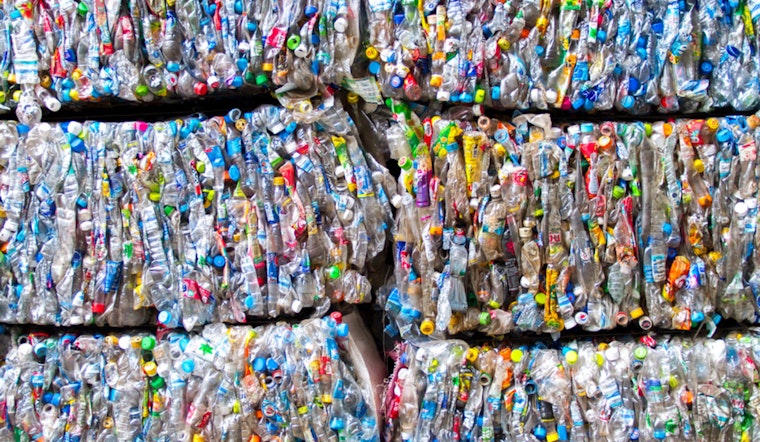
Staring down the barrel of a stagnant 24 percent recycling rate for PET bottles, MIT researchers believe it's time for a national bottle deposit program that could vault that number to an optimistic 82 percent. The proposal, rooted in thorough analysis, outlines an extra push that could dramatically curtail plastic waste. MIT professor of materials science and engineering Elsa Olivetti and her team found that with nearly two-thirds of PET bottles possibly making their way back to shelves as new products, the plan would come at a minor net cost of about a penny per bottle when the recycling market is strong.
Despite the accessibility of recycling systems across the country, the effectiveness of these programs remains disappointing. A national bottle deposit scheme, according to MIT's recent study, could align with packaging industry targets and legislative proposals, if complemented by policies that drive both supply and demand. Olivetti told MIT News, "You have to think about the response and the behavior of multiple actors in the system holistically to be viable." The research stressed that both bottle deposit programs and curbside recycling have their unique impacts and niches within the waste management ecosystem.
The MIT study, published in the Journal of Industrial Ecology, casts a spotlight on the need for a nationwide bottle deposit policy. Such a policy would not only heighten recycling rates but would also fortify the supply of usable materials for companies in the recycling market. However, the implementation of these programs could potentially defund municipal waste-recovery facilities, which would see their revenue from PET bottles, a higher-value commodity, diminish. The researchers suggest that supporting these facilities may require subsidies or fees leveled on the bottle producers.
Looking abroad, several European countries have radically higher recycling rates than the United States, with some exceeding 90 percent for PET bottle collection. The MIT team asserts that the United States, where less than 29 percent of bottles are collected for recycling, could take a leaf out of those countries' books. Olivetti says, "There is a market for this material," pointing out the superior cleanliness and economics of bottles collected via deposit systems, which are more suited for direct conversion into new products or textiles. The study posits that a 10-cent deposit per bottle could be the magic number that sustains the recycling cycle, fostering an eco-friendly environment without federal oversight, but rather handled by individual states, as stated by MIT News.
The call for a unified approach doesn't just hinge on an increase in recycling rates, but also zeroes in on the entire life cycle of materials— from supply chain to consumer and back. With a circular policy in place, a sustainable model of recycling could realize the kind of waste management strategies that involve not just recycling but recycling with a purpose. Ensuring that design metrics align with environmental goals could prove to be an essential component in dealing with materials like PET, which can be successfully cycled back into production, Olivetti's team emphasizes.



