With Nashville sweltering under a heat advisory in effect until 8 p.m. today, July 16, the city's Office of Emergency Management (OEM) is taking proactive steps to ensure the safety of its residents, especially the most vulnerable populations. According to an announcement made by the Nashville OEM, Emergency Support Unit (ESU) volunteers will be operating heat patrols between 2 p.m. and 5 p.m. on Monday and Tuesday, offering cold water, towels, and additional resources to those in need amid the searing temperatures.
In anticipation of the dangerous heat levels, residents are advised to take precautions such as staying hydrated, limiting time outdoors during peak heat, wearing appropriate clothing, and checking on the elderly. Particularly at risk, the elderly, who the Centers for Disease Control and Prevention (CDC) notes do not adjust well to sudden changes in temperature, should remain in air-conditioned environments as much as possible. Tips from the Nashville Government's news release recommend not relying on a fan as a primary cooling source and drinking more water than usual, despite a doctor’s fluid intake restrictions.
For families with children, never leaving a child unattended in a vehicle is critical, along with keeping cars locked when not in use to prevent unauthorized access by curious children. When observing a child left alone in a car, bystanders are urged to immediately call 911. Setting electronic reminders to confirm daycare drop-offs and establishing a no-show alert system with care providers are additional preventative measures suggested by the Nashville Government.
As reported by Nashville.gov, the necessity of paying close attention to pets during this heatwave is emphasized by the American Society for the Protocol for Cruelty to Animals (ASPCA), who points out that animals can dehydrate quickly and should have access to shade and plentiful water. Symptoms of overheating in pets, which include difficulty breathing and increased heart rate, necessitate keeping them in air-conditioned rooms whenever possible and avoiding hot asphalt that can burn their sensitive paw pads. The Nashville.gov news release notes that animals are at risk just like humans and should not be left in parked vehicles.
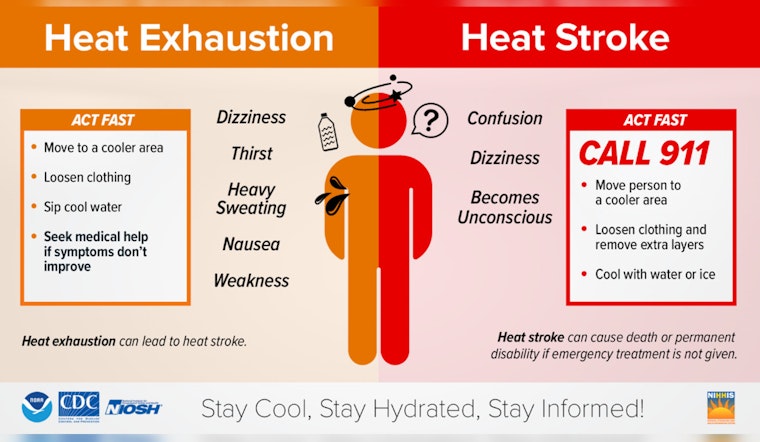
Residents are also being educated on the signs of heat-related illnesses such as heat exhaustion and heat stroke. Warning signs include dizziness, heavy sweating, nausea for heat exhaustion, and confusion and unconsciousness for heat stroke, both situations requiring urgent action — moving to a cooler area, loosening tight clothing, and seeking medical assistance if symptoms persist. In life-threatening situations like heat stroke, calling 911 and employing rapid cooling methods are essential for preventing dire outcomes. Furthermore, Metro Nashville’s Action Commission is available to aid with energy assistance programs for these trying times.
To stay informed and for more extensive tips and resources during this period of extreme heat, residents are directed to Nashville Government's release or to visit the National Weather Service. Taking these protective steps can significantly mitigate the risks associated with the high heat index and preserve the health and well-being of Nashville's citizens and their pets alike.