

























































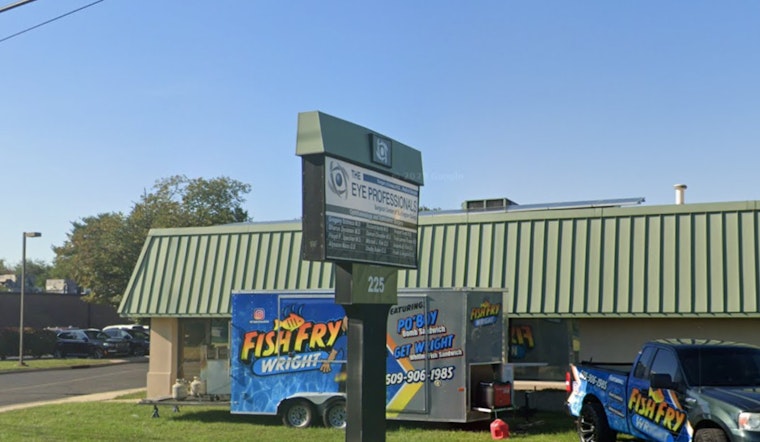
Burlington County Eye Physicians (BCEP), a medical practice with their sights primarily set within the realms of New Jersey and Pennsylvania, alongside its owner, ophthalmologist Dr. Gregory H. Scimeca, have conceded to a significant $469,232 settlement over accusations of fabricating claims and accepting illicit kickbacks, as reported by the U.S. Attorney's Office of the District of Massachusetts.
At the core of these allegations are claims for transcranial doppler (TCD) tests, a noninvasive procedure to estimate blood flow in the brain's vessels which were deemed unsubstantiated for some of the patients for whom they were ordered, resulting in Medicare and the Federal Employee Health Benefit (FEHB) Program bearing unnecessary costs; BCEP had an agreement with a diagnostics company who, under them, subsequently filled out forms and performed said tests, with BCEP doctors including Dr. Scimeca signing off on these forms which sometimes indicated diagnoses that were not present, hence supporting the needlessness of the performed tests.
According to Acting United States Attorney Joshua S. Levy, "Health care practitioners must not bill for services they do not perform or bill for unnecessary procedures," he continued, "Full stop. When they do, they violate the law." The violation also involves remuneration from billing Medicare and the FEHB Program for the TCD tests interpreted by another company yet claimed by BCEP physicians, running contrary to the principal tenets of the Anti-Kickback Statute (AKS) which exists precisely to prevent such profit-driven aberrations in patient care.
Roberto Coviello, Special Agent in Charge of the U.S. Department of Health and Human Services, Office of Inspector General, stressed the vitality of integrity in the federal health care system, which these actions undermine by deviating from established expectations of medical necessity, performance of services, and freedom from the influence of illegal kickbacks, "and we will continue to thoroughly pursue such allegations," Coviello insisted.
It is under the whistleblower provisions of the False Claims Act that these allegations surfaced, allowing a private party to file an action on behalf of the United States and potentially receive a part of any recovery, with this particular whistleblower set to receive about $84,460 of the settlement. The announcement of the resolution involved collaborative efforts, especially noted by assistant U.S. attorneys Jessica J. Weber and Christopher Morgan who managed the case.



