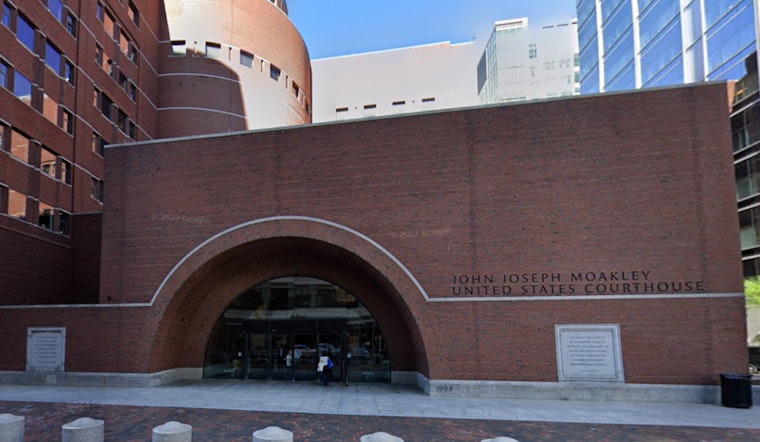
A scheme to defraud the Small Business Administration (SBA) has ended in a Florida man's sentencing on federal charges, according to a recent report from the U.S. Attorney’s Office in Massachusetts. Hector Garcia, a 52-year-old resident of Ocala, Florida, faced Judge Denise J. Casper and received time served and three years of supervised release. He was also ordered to refund the SBA $25,104.33.
Garcia admitted to charges including one count of conspiracy to commit wire fraud and three counts of wire fraud this past April, getting entangled in a fraudulent operation with others to procure Economic Injury Disaster Loans meant for assisting struggling businesses during disasters, using stolen identities to achieve this. The funds were meant to help keep struggling businesses afloat during times of unexpected disaster, but for Garcia and his partners in crime, they served as a means to enrich themselves through illicit dealings, as reported by the U.S. Attorney’s Office.
In an elaborate illegal enterprise, Garcia, alongside co-conspirators Ramon Cruz, Darwyn Joseph, Edwin Acevedo and others, applied for SBA loans using pilfered personal information and then went on to set up fraudulent bank accounts to receive the funds; the theft amounted to over $452,000, with about $250,000 going into purchasing iPhones for resale in Massachusetts and New Hampshire.
The network of deceit extended beyond the U.S. borders, with part of the ill-gotten gains being wired to the Dominican Republic, and while Garcia is on the hook for a fraction of the total, the loss to the SBA and to the integrity of the disaster aid system is clear. The case is handled by Assistant U.S. Attorneys Elianna J. Nuzum and Adam W. Deitch of the Criminal Division, with a coalition of law enforcement agencies including Homeland Security Investigations in both New England and Orlando providing assistance in the investigation.
This sentencing comes as part of broader efforts by the Department of Justice, which established the COVID-19 Fraud Enforcement Task Force back in May 2021, to proactively pursue and mitigate pandemic-related fraud, offering a concerted response involving various agencies and providing the public with avenues to report attempted fraud through hotlines and online complaint forms.