

























































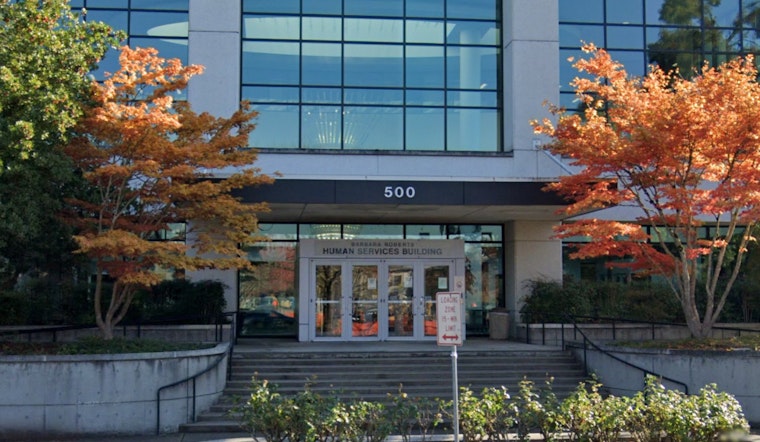
Oregon's battle against opioid addiction is getting a financial boost, with the state funneling more than $13 million into addiction treatment programs. Funds are courtesy of settled opioid lawsuits which have cast a glaring spotlight on the role companies played in the opioid crisis. The Oregon Health Authority (OHA) announced the distribution plan, which will see aid directed to various regions across the state, aiming to strengthen substance disorder treatment and services.
The OHA is slated to administer these funds, stemming from agreed settlements since July 2021, which will grant Oregon nearly $600 million over an 18-year timeframe. As reported by KOIN, settlements from opioid manufacturers, distributors, and pharmacies are split, with the state receiving 45% and local jurisdictions 55%. In a push for more comprehensive care, up to $3.9 million will go towards two medication units in Clackamas County and a program in Multnomah County with "the highest unmet need."
Moreover, according to The Lund Report, rural parts of Oregon, which are often underserved, will benefit from about $9.1 million dedicated to establishing seven treatment programs or medication units. These include two in Northeastern Oregon, and one each in Klamath County, the mid-Gorge region, underserved coastal areas, and eastern Lane County.
Oregon Health & Science University (OHSU) will additionally receive $250,000, which Dr. Dan Hoover, an OHSU assistant professor and addiction medicine specialist highlighted as critical for promoting collaboration between county jails and treatment service providers. In a statement obtained by The Lund Report, Hoover explained that "There’s culture change that we get to influence in jails through this and there’s of course a continual interchange of understanding that’s built." This partnership is poised to address the high risk of fatal overdoses that individuals face upon leaving incarceration.
In line with the guidelines set by the authorities, each organization seeking a portion of the funds must be certified by health officials. The Opioid Settlement Prevention, Treatment, and Recovery Board, responsible for the funds' allocation as per KVAL, mandated this to ensure the efficacy of the programs supported. Local jurisdictions, who decide how their funds are used, will have to report annually to the Oregon Department of Justice on their fund's allocation, ensuring transparency and accountability in the ongoing fight against opioid addiction.





