

























































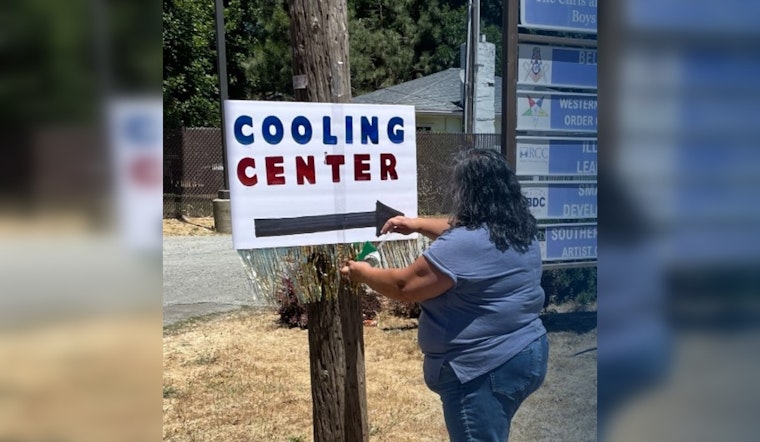
As Oregon finds itself in the clutches of an oppressive heat wave, the state has mobilized cooling centers to provide refuge from the soaring temperatures. The Oregon Department of Human Services (ODHS), in collaboration with 211info, is taking the lead in communicating available resources to ensure residents, particularly the most susceptible to heat stress, can find respite. The call for communities to watch over each other was echoed by Ed Flick, Director of the OREM at ODHS, who highlighted the importance of health and safety amidst this extreme weather. "Our top priority is health and safety during this heat wave," Flick expressed in a statement shared by ODHS while urging individuals to utilize the cooling centers and other resources by reaching out to 211info.
The agency has been dispatching vital supplies to various sites catering to vulnerable populations. As of July 4, ODHS had delivered a significant amount of water—14 pallets totaling 1,176 cases—to partners such as shelters and community organizations; in an effort to mitigate dehydration and prevent heat illnesses. A lesser-known fact is that local authorities have been instrumental in staffing these cooling centers, ensuring they are ready to receive those in need.
In a bid to facilitate access to these cooling centers, ODHS is partnering with some transportation services, providing rides for those who might otherwise struggle to reach them. Should transportation be a concern, calling 211 offers a potential solution for individuals seeking to find their way to these air-conditioned havens. Kerry Hoeschen, 211info’s Emergency Management Director, has assured the community of their preparedness, saying, “211info is available 24/7, and our team is ready to answer questions about heat-related resources, cooling centers, and transportation options," in a statement detailed by ODHS. Staffing has also been bolstered in anticipation of the inflow of queries and requests for assistance.
The ODHS is not only stopping at cooling centers but has also taken the initiative to distribute air conditioning units directly to those in dire need. By July 4, they have provided 616 air conditioner units to various community-based organizations, and this is separate from the OHA program aimed at Oregon Health Plan recipients. The anticipation is high; they expect to deliver more than 1,500 units as the heat wave lingers. These measures paint a picture of an agency in full swing, fighting the invisible yet palpable adversary that is the extreme heat, ensuring aid arrives where and when it is crucial.





