

























































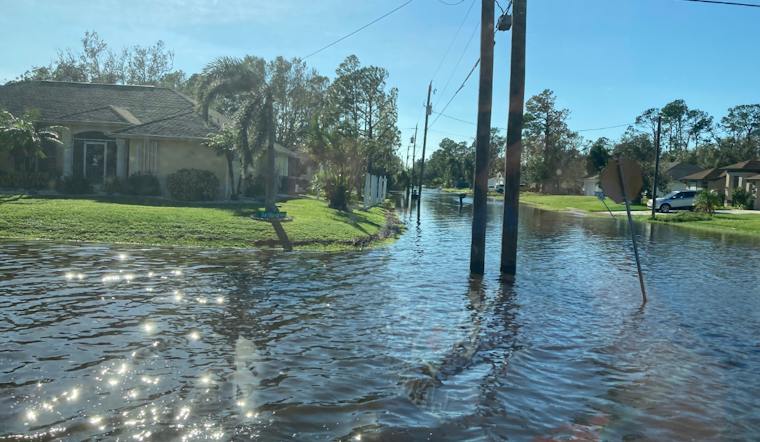
Almost two years since Hurricane Ian wrought devastation, Osceola County is taking a proactive step by teaming up with the U.S. Army Corps of Engineers to conduct a $3 million study on the Shingle Creek and Kissimmee River basin's flood vulnerabilities. The commissioners have given the green light to understand and address flooding concerns that have emerged as a significant threat to communities residing along these waterways, a move spurred after witnessing over 1,700 homes submerged and countless lives uprooted by the natural disaster, as per FOX 35 Orlando.
Local officials underscore that the vegetation overgrowth, particularly the problematic hydrilla in Lake Tohopekaliga, has been a major hurdle in the waterway's ability to manage floodwaters. As Whitehurst narrated, as per FOX 35 Orlando, the flooding experience was harrowing, with amphibians invading her living space and the water reaching an alarming height of three to four feet she’s now considering leaving Florida, given the record-breaking start to this hurricane season and the palpable threat of recurrent flooding.
Meanwhile, Chairwoman Cheryl Grieb expressed, as cited by WFTV, the complexity and the time-consuming nature of securing federal funding, something she communicated doesn’t translate to inaction but rather an intricate bureaucratic process that had the county in continuous negotiations. The study, funded partly through federal sources, seeks not only to investigate the current impediments but also to set the stage for substantial support from the federal government for future mitigative efforts, which could potentially involve significant outlays for land acquisition and infrastructural upgrades necessary to shield the communities from similar fates.
Concurrent with the study's announcement, county officials also shared news of imminent action to address invasive plants that impede water flow in northern Lake Toho—another piece in the complex puzzle of Osceola County's hydrological management. The results of these concerted efforts, embracing both analysis and immediate intervention, are to unfold over the next three years, imbuing residents with a cautious glimmer of hope that the devastation once visited upon them by Ian might be averted, or at least mitigated, when storms come calling in the future.





