

























































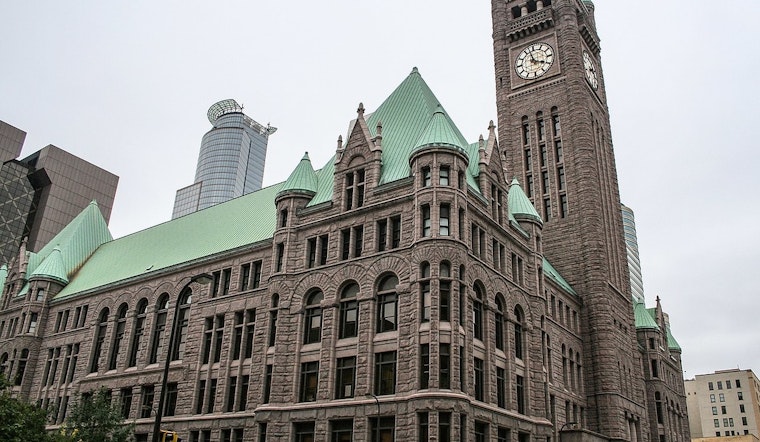
The landscape of the Twin Cities is seeing a shift, with population growth easing up compared to the bustling previous decade, yet a robust construction scene continues to shape the metro area. The Metropolitan Council’s estimates for 2023 indicate a slower influx of residents, with a growth of just 1.9% since 2020, bringing the region's populace to over 3.2 million. This uptick of around 59,000 people trails behind the 2010s when the average annual growth hovered above 30,000; the 2020s are clocking in closer to 20,000 each year.
Despite this cooling trend in numbers, areas on the periphery — such as Dayton, Victoria, and Lake Elmo — experience the highest growth rates. However, the heart of the urban milieu is not to be overlooked; cities like Minneapolis, Richfield, and Bloomington are still magnets for substantial population booms. Minneapolis and St. Paul boast more new households than any other city nearby, according to the same report by the Met Council.
While more housing units have been built, a discrepancy emerges as the formation of new households lags. Nearly 62,500 new units arose from the ground up between 2020 and 2023, yet only 48,500 households were established, resulting in a decline in overall occupancy rates from 95.7% to 94.9%. Housing permits follow a narrative of growth with a predictable fluctuation, and despite the dips in 2014, 2020, and 2022, about 22,000 housing units were given the green light just last year.
Lisa Barajas, the director of the Met Council’s Community Development division, shed light on the situation. "Despite the decline in occupancy rates, we still have a very tight housing market in this region, particularly when it comes to housing affordable to people who earn 60% of area median income or less," she explained. It seems the increased vacancies are found more so in higher-priced homes and apartments, marking a disparity in who feels the pinch of the tight housing. Simultaneously, household sizes have seen a slight decrease in size going from an average of 2.5 in the 2010s to 2.46 people post-2020.
Understanding these demographic shifts is central, not only from a sociological perspective but also from policy and fiscal vantage points. The Met Council’s estimates, which are crucial for the allocation of local government aid and transportation funding, reveal lower birth rates and higher death rates to be partly responsible for the reduced natural population growth, according to the council's researcher Matt Schroeder. As adult children and others venture out to establish their own homes, the configuration of the average household continues to evolve. Accurate estimates, finalized by mid-July after review from local governments, ensure a fair distribution of resources reflects the changing dynamics of the Twin Cities.




