

























































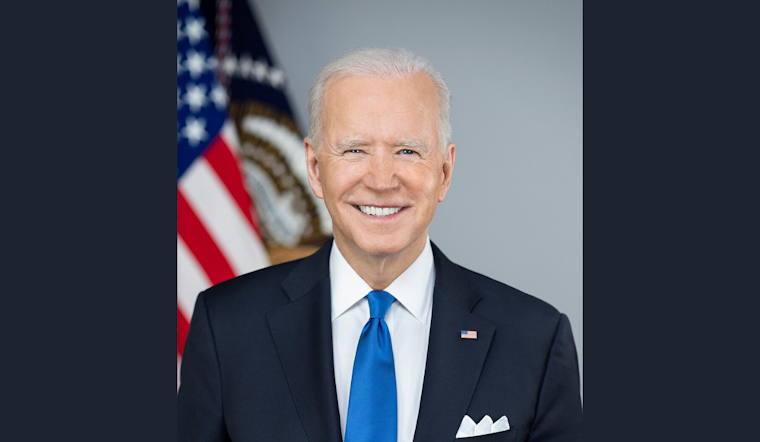
Extreme weather events are increasingly making their mark across the United States, with millions feeling the punch of heat waves, floods, and wildfires. In response, President Biden is pushing forward a climate agenda aimed both at mitigation and protection. Announced today, a series of initiatives, including a new OSHA rule to guard workers against excessive workplace heat, underline this effort. This move, according to The White House, is expected to affect some 36 million workers.
Critical infrastructure is also set to quickly better cope with the increasing threats from climate change. FEMA has revealed a plan to distribute nearly $1 billion for community projects aimed at resilience against natural disasters. Notably, these projects are positioned to assist communities often hit hardest by these events and include efforts like $50 million to upgrade a Philadelphia stormwater pump station and the building of shaded bus stops in DC, said to mitigate high heat exposure.
This set of actions builds upon President Biden's previous commitments, including investments to enhance wildfire response and community defenses, as well as funding to address long-term water security issues, especially in the drought-stricken West. The Climate Crisis Strategy is intertwined with a financial aspect, aiming to curtail the economic threats posed by these extreme weather patterns.
Looking ahead, a White House Summit on Extreme Heat is scheduled for later this summer, bringing together a cross-section of U.S. leaders to strategize and strengthen the nation's defenses against rising temperatures. These actions demonstrate a continued emphasis on climate resilience and an acknowledgment of the persistent struggle against extreme weather conditions for communities across the nation.





