

























































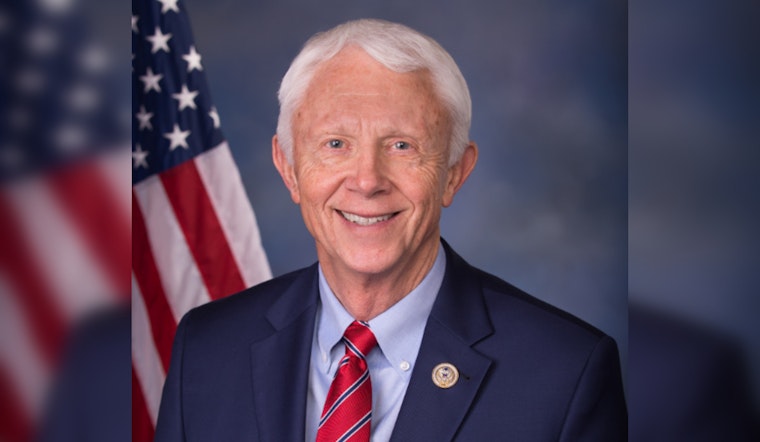
With the pressing issue of veteran suicide casting a shadow over the nation, MDMA-Assisted Therapy (MDMA-AT) is being propelled into the spotlight, garnering emphatic bipartisan support for its promise to mitigate the plague of PTSD among America's war heroes. At the forefront of this advocacy, Congressman Jack Bergman, a revered three-star USMC General and the highest-ranking veteran in Congress, is not mincing words when it comes to the potential of this innovative treatment. In a plea for rapid FDA approval of MDMA-AT, Bergman has been quoted saying, "Our veterans deserve action, not just words," according to an article by his official website. He insists that urgent action is the linchpin to halting the veteran suicide epidemic and giving a second chance to countless service members.
The painstaking reality is that a staggering number of veterans—10 out of 100 males and an even more alarming 19 out of 100 females—grapple with PTSD, a demon that whispers tales of despair and, all too often, nudges them toward a tragic final exit daily estimates pinpoint veteran suicides at an unacceptable 17 to 44, painting a grim picture of the war at home that continues well past the battlefield, and since the shadow of 9/11 first swept across the nation over a harrowing 150,000 veterans have succumbed to taking their own lives—a figure that dwarfs the death toll of post-9/11 combat zones by more than twenty-fold. Amid this backdrop, MDMA-AT emerges from clinical trials as nothing short of a beacon of hope with over 71% of participants no longer meeting PTSD criteria after the requisite sessions and 86% experiencing marked reduction in their symptoms.
In what could be a sea change for veteran healthcare, the U.S. Department of Veterans Affairs is poised to incorporate MDMA-AT into its armamentarium, buoyed by promising early results hailed by UnderSecretary of Health Shereef Elnahal as "pale in comparison" to anything currently in use. The FDA decision, expected on August 11, will determine whether MDMA-AT can be swooped in as the elusive salve for an issue that has defied conventional modes of treatment—treatments which have left 40-60% of those treated for PTSD without relief, leaving them to battle with shadows no one else can see but that cling tenaciously nonetheless.
The robust show of support on the Capitol steps, featuring veterans shedding light on their personal battles alongside congressmen eager to usher in a dawn of therapeutic innovation, signifies a united legislative front rarely seen in today's divided political climate—the Congressional Psychedelics Advancing Therapies (PATH) Caucus, co-founded by Bergman and Congressman Lou Correa, stands testament to Congress's commitment to exploring groundbreaking PTSD treatments. Correa has stressed the culmination of two decades devoid of major PTSD treatment innovation when he told his official website, “This is the first PTSD innovation in 23 years, offering curative rather than palliative potential for those who suffer,” marking the gravity of the moment and the burgeoning consensus that MDMA-AT become accessible to veterans without a minute's waste post FDA's nod.




.jpg)