

























































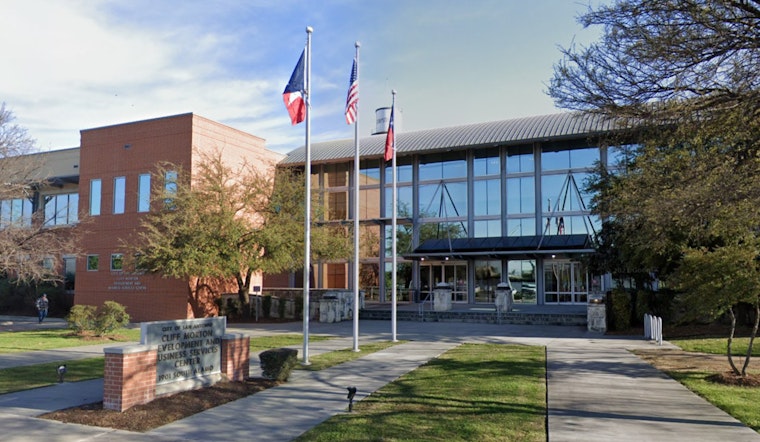
In San Antonio, a significant clash over proposed zoning changes near the Toyota plant has garnered the attention of residents and city officials alike. The Zoning Commission, after hearing heated testimonies from concerned community members, voted against the establishment of an “Industrial Compatibility Overlay District” (ICOD) that would limit residential and commercial development within a two-mile radius of the manufacturing site. According to a report by KSAT, the zone would cover nearly 31 square miles and impact 2,843 properties, predominantly residential.
Under the proposals, existing homes could remain, but the prospect of building new residences would be tightly controlled, with industrial use earmarked for regions closest to the plant, and commercial or industrial functions slated for the outer area. "The concern is we don’t think that residential is appropriate in a burgeoning industrial district", Assistant Planning Director Rudy Niño described the reasoning behind the ICOD in an interview with KSAT. However, these same proposals have sparked a contentious debate over land rights and the potential benefit to the large auto manufacturer at the expense, of smaller landholders.
Landing a blow against the ICOD during a recent Zoning Commission meeting, vocal citizens rejected the proposed limitations on their property usage. One homeowner, expressing a widely shared sentiment, told KENS 5, "I have three grandchildren and one great grandchild. And if I want to build a house for one of them, if this passes, I can't." This encapsulates the concerns about familial legacy and developmental freedom raised at the meeting.
Moreover, community projects like the Land Heritage Institute, a 1,200-acre park intended as a living museum, may find their future compromised under such zoning restrictions. "It could control us being able to build this educational pavilion," volunteer Kevin Clein explained the impact to KENS 5. Despite the planning department’s willingness to consider exceptions, the consensus amongst commissioners was that such a targeted overlay would unfairly isolate homeowners from the standard regulations applied to other industrial areas in the city.
Though the San Antonio Zoning Commission’s vote does not deal a conclusive end to the ICOD proposal, the City Council holds the authority to make the final determination. The timing for this decision remains unspecified, leaving those affected in a state of uncertainty regarding the future of their land and community projects. As the story unfolds, updates will continue to provide insights into this ongoing urban development discourse.





