

























































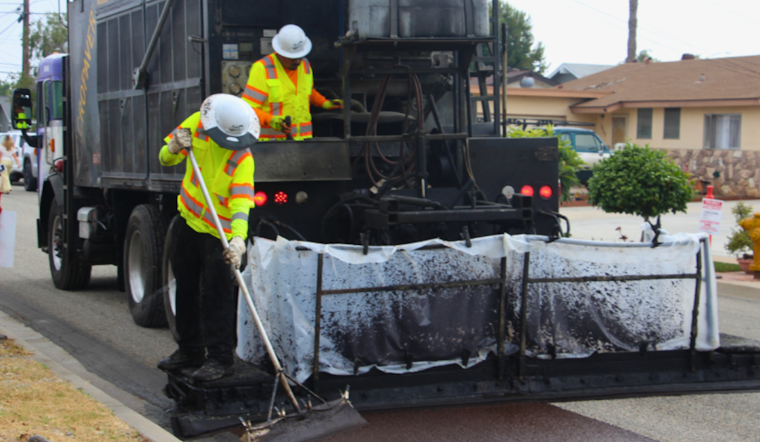
San Diego's roadways have received a major facelift, with the City completing an impressive 250 miles of road resurfacing across various neighborhoods. The fiscal year that wrapped up on June 30 saw the last segment finished at Jason Street and Signal Avenue in Nestor. This giant step marks one of the most productive periods in over a decade for the city's road maintenance efforts. San Diego Government officials have highlighted the impact of this achievement in improving daily commutes and enhancing infrastructure resilience.
Amid the festivities, Mayor Todd Gloria announced another wave of investment for fiscal year 2025. Speaking to the determination to push boundaries in infrastructure improvement, the Mayor shared plans for a "Protecting Our Progress" budget, earmarking $104.7 million for overlay reconstruction and $35.3 million for slurry seal. According to work completed in the South Bay, these funds are projected to cover 225 miles of roads across the city. Mayor Gloria stated in a celebration of road-resurfacing efforts, "We're making record investments in road repair to address years of insufficient investment that have left these critical public assets in bad shape".
Alongside Nestor, work continued across Serra Mesa, Navajo, Pacific Beach, and Peninsula communities. Transportation Director Bethany Bezak underscored the tireless effort by City staff and partnered contractors, ensuring the work reflects the planning and hard labor invested. "Completing this many slurry seal miles is a year long process requiring hard work and careful planning from City staff and our resurfacing partners," Bezak mentioned via Inside San Diego, signaling a commitment to persist with a robust paving program in the new fiscal year.
Amid the technicalities of road preservation, slurry seal stands out as a cost-efficient method to extend the lifespan of streets, adding 5 to 8 years to roads in a satisfactorily good condition. The city aims to continually innovate by integrating cape seal and scrub seal techniques into its maintenance arsenal, ensuring efficient management of the 2,800-mile road network. Explaining the strategic allocation of resources, the Transportation Department noted that streets are graded using a Pavement Condition Index, which assists in prioritizing resurfacing tasks and deciding the types of repairs most appropriate.
Using the Pavement Condition Index (PCI) simplifies determining which streets receive attention first, balancing factors like traffic volume, road type, and maintenance history. The City aims to streamline roadwork by focusing on neighborhoods where streets are in similar states of repair or planning roadwork to follow other infrastructure projects such as pipeline replacement.





