

























































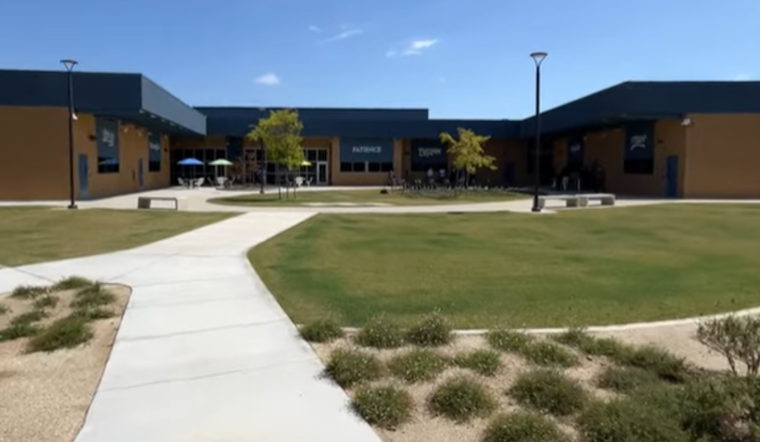
In a significant overhaul of juvenile justice in San Diego County, local leaders and advocates have inaugurated the new Youth Transition Campus on the former Kearny Mesa juvenile hall site. According to The San Diego Union-Tribune, the campus is touted as a "rehabilitative, therapeutic" facility to create better futures for high-risk youth.
The new $98 million campus replaces the previous facility that has been a part of the county since the 1950s. Intending to remodel the juvenile justice framework, the redesign focused on addressing issues such as the cluster housing of large youth populations with poor access to rehabilitative programs. Chief Probation Officer Tamika Nelson highlighted, as seen during the second phase that the site now facilitates open settings meant to accommodate as many youths awaiting their trials. While celebrating the opening of the updated campus, according to the County of San Diego, new amenities include a standalone school and a generous family visitation zone.
The Youth Transition Campus aims to offer a stark contrast from the penal atmosphere of yesteryears. It offers state-of-the-art classrooms and various career and technical education programs ranging from woodshop to graphic arts. These are designed for low-risk youth to aid their transition into the workforce. Small, home-like living quarters for 12 students each and larger "cottages" for common living areas underscore the new direction away from past institutional layouts.
Adding to the therapeutic and rehabilitative mission, as Nelson mentioned, with small places to live, many open areas, and natural light to foster positive behavior, the housing units are manned by in-house mental health specialists. According to The San Diego Union-Tribune, the East Mesa Juvenile Facility will remain open, hosting a more intensive rehabilitation program for youth up to age 25. Officials said that the combined funding for both phases of this transformative project amounted to approximately $210 million. This marks an institutional shift toward recognizing the potential and the needs of youth entangled in the system, affirming a belief that justice can be a birthplace of hope rather than a repository of despair.





