

























































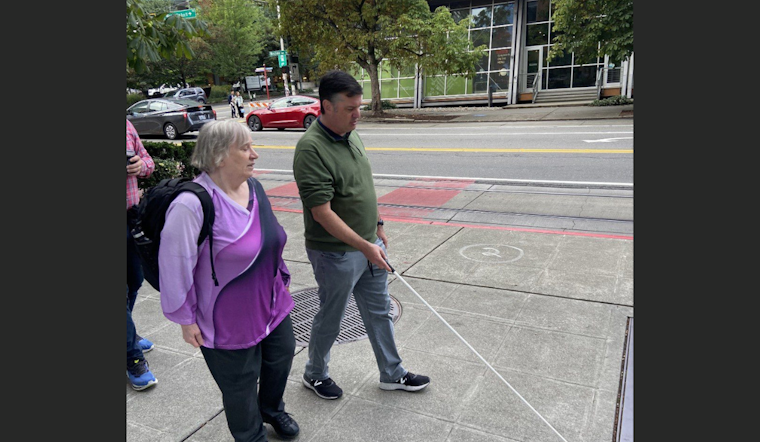
Seattle is stepping up its game to become more inclusive for people with disabilities, particularly those with vision disabilities. Seattle's Department of Transportation (SDOT) has initiated a new pilot project to test 'Tactile Walking Surface Indicators.' These textured pavement treatments are designed to help visually impaired individuals navigate the city more easily, offering both predictability and comfort. According to the Seattle Department of Transportation, the standout treatment is the trapezoid-shaped ‘Tactile Warning Delineator’ – a novel rollable edge treatment that enhances tactile navigation.
Seattle isn’t new to tactile treatments – the city has seen various formats before, but what’s different this time is the real-world testing approach, which involves collaboration with local disability-focused organizations. The tactile indicators will be scrutinized by those who stand to benefit from them this summer. The University District will witness the first rollout of these treatments. Marci Carpenter, President of the Seattle Chapter of the National Federation of the Blind, actively contributed insights during a field visit. Sharing her experience with navigating the city using a white cane, she became a part of the solution contributing to a more navigable urban terrain for people like her.
The project isn't just stopping at tactile surfaces. The 'Outdoors for All' program aims to provide adaptive cycling opportunities, ensuring that the thrill of biking is available to residents of all ages and abilities. SDOT is pushing boundaries to ensure that the experience of city life is accessible to all. The department encourages residents to participate in the ongoing initiatives and to reach out to their ADA Program team with any questions related to accessibility in Seattle. This ongoing effort is part of a broader commitment to make the city a welcoming place for people with disabilities, fostering a sense of inclusivity that resonates with Seattle's values.




